
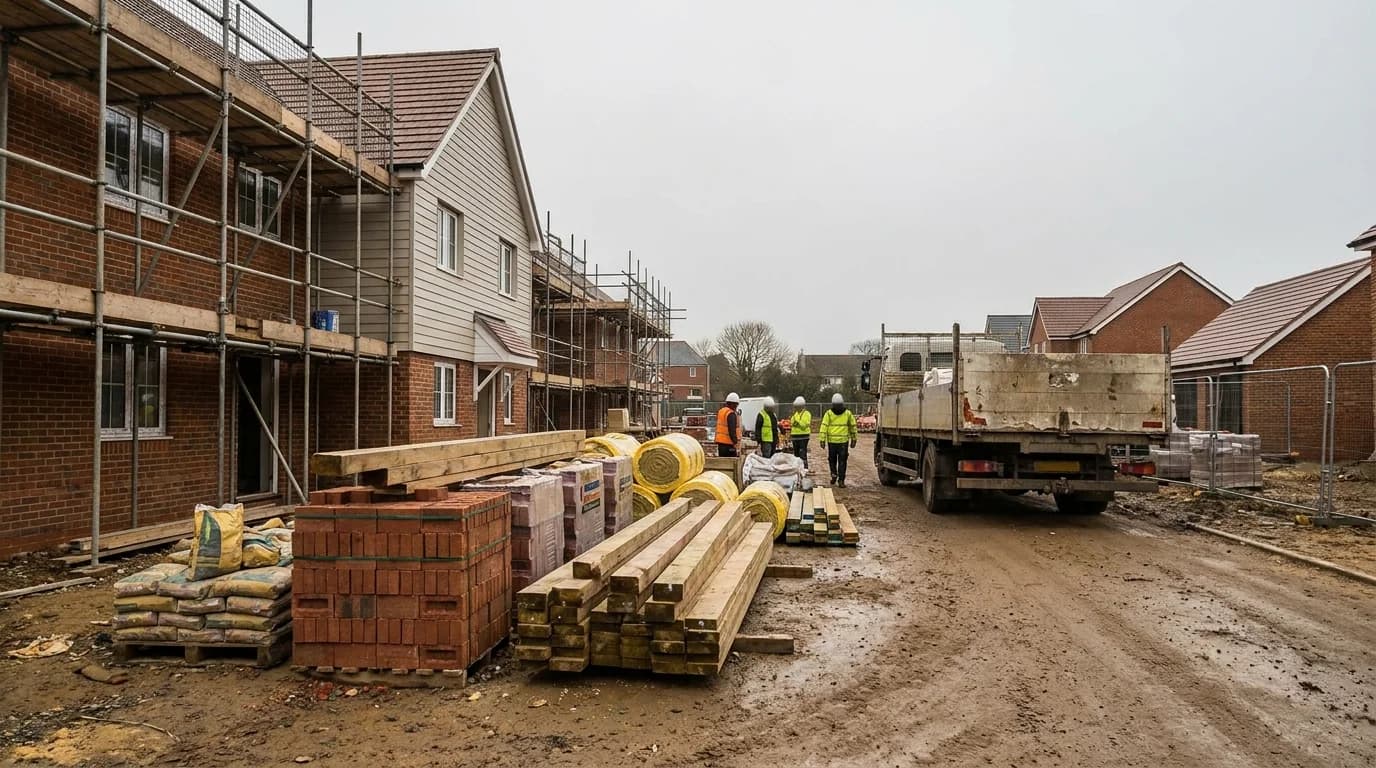
Should you buy materials or let your builder buy them?
Buying materials yourself can feel like a saving, but it can also cost you discounts, warranties and site time. Here is how to decide who should buy what.
- Category
- Materials & sourcing
- Author
- Star Hawk Builders Merchant
- Date
- 13 June 2024
- Read time
- 6 min
Materials & sourcing · Star Hawk Builders Merchant
Buying materials yourself can feel like a saving, but it can also cost you discounts, warranties and site time. Here is how to decide who should buy what.
6 min read · Published 13 June 2024
One of the first decisions in any building project is who will buy the materials. Some homeowners assume that buying directly will save money. Others prefer to hand everything to the builder and avoid the hassle. The right answer depends on the material, your confidence and how much control you want.
When the builder should supply
For structural and trade materials, it usually makes sense for the builder to supply. This includes:
- Concrete, blocks, bricks, sand, cement and aggregates.
- Timber, insulation, plasterboard and sheet materials.
- Steel beams, lintels and structural fixings.
- Roofing materials, membranes and battens.
- General fixings, adhesives and site consumables.
Why builder supply works better
Trade pricing. Builders and merchants have ongoing relationships. A builder who orders regularly may get better prices than a homeowner walking in off the street.
Correct specification. A builder knows what grade of block, strength of timber or thickness of insulation the job needs. Buying the wrong product can cause delays and compliance issues.
Delivery timing. Builders schedule deliveries around the build sequence. Materials arriving too early get in the way; arriving too late stops work.
Warranty and liability. If the builder supplies the materials, they are responsible if those materials fail. If you supply them, you take on that risk.
Fewer arguments. When the builder controls supply, there is no dispute about whether the material is suitable or why it does not fit.
When you might supply yourself
There are materials that homeowners often prefer to choose personally:
- Kitchen units, worktops and appliances.
- Bathroom suites, tiles and sanitaryware.
- Flooring, carpets and rugs.
- Light fittings, switches and sockets.
- Paint, wallpaper and decorative finishes.
- Doors, handles and ironmongery.
Why homeowner supply can make sense
Personal choice. These items define how your home looks and feels. You will live with them for years, so choosing them yourself matters.
Potential savings on sales. Retailers run sales on kitchens and bathrooms that may beat trade supply.
Control over specification. You can choose exactly the brand, colour and model you want.
The risks of supplying materials yourself
Even for decorative items, there are pitfalls:
- Wrong quantities. You may underestimate tiles, paint or flooring, causing delays.
- Delivery problems. If your kitchen arrives two weeks late, the builder cannot finish.
- Incompatible products. A tile that looks right may be unsuitable for underfloor heating.
- No warranty on labour. Some builders will not guarantee work done with client-supplied materials.
- Storage and damage. Materials left on site can be damaged before they are installed.
The middle ground: agreed supply lists
Many projects work best with a split approach. Discuss with your builder who will supply each category. Put it in the contract or specification. A typical split might be:
| Builder supplies | Homeowner supplies |
| Structural materials | Kitchen and appliances |
| Timber and insulation | Bathroom suite and tiles |
| Roofing and membranes | Flooring |
| Plasterboard and plaster | Light fittings |
| Cement, sand, aggregates | Decorative paint and wallpaper |
| Fixings and site consumables | Door furniture |
How to agree the split
Ask your builder:
- What materials do you prefer to supply?
- What materials am I allowed to supply?
- Will you warranty work using materials I supply?
- When do you need each item on site?
- Do you have supplier recommendations?
Get the answers in writing so there is no confusion once work starts.
VAT, invoices and warranties
Whoever supplies the materials should provide a clear VAT invoice. If your builder supplies them, the invoice should be part of their billing. If you buy them, keep every receipt. These documents matter if you need to make a warranty claim, return faulty stock or prove the cost for insurance.
Citizens Advice recommends getting written details of what is included in the price before any work begins. Vague agreements about who buys what are one of the most common causes of disputes.
Storage, access and insurance on site
Materials on site need space, protection and insurance. Bulky items like plasterboard, timber and insulation must stay dry. Steel beams and glass need careful handling. Ask yourself:
- Is there room to store everything securely?
- Who is responsible if materials are stolen or damaged before installation?
- Does your home insurance or the builder's insurance cover materials you have supplied?
For expensive or fragile items, arrange delivery as close to installation day as possible. A builder will usually handle unloading and checking, but confirm this in advance.
What happens if materials are faulty?
If the builder supplies a faulty product, they should replace it and make good any affected work. This is one of the strongest arguments for letting the builder supply structural materials.
If you supply the materials yourself, you become the customer of the merchant or retailer. You may have to arrange returns, replacements and compensation yourself. The builder may also charge extra to redo work affected by a product that did not meet the specification.
Always keep delivery notes, invoices and photographs of materials as they arrive. They are your evidence if something goes wrong.
What about buying materials online?
Buying building materials online can be convenient, but it carries risks:
- You cannot inspect quality before delivery.
- Returns of heavy or bulky items are expensive and slow.
- Specifications may not match what tradespeople expect.
- Delivery drivers may not help unload onto site.
For structural materials, a local builders merchant is almost always the safer choice. For decorative items, online shopping can work if you order well ahead and confirm specifications with your builder.
A practical example: a kitchen extension
Imagine you are building a rear kitchen extension. A sensible split might look like this:
- Builder supplies: concrete for foundations, blocks, bricks, insulation, timber, plasterboard, roofing membrane, electrics first-fix materials.
- You supply: kitchen units, worktop, sink, tap, appliances, tiles and light fittings.
- Agree together: the bifold doors, because delivery and threshold details affect the builder's work.
The builder controls the structural shell and warranties the construction. You control the look of the finished room. Both sides know exactly who is responsible for each item.
Watch out for rogue trader tactics
Be wary of a builder who insists you buy all the materials yourself and pay them only for labour. This arrangement can be used by rogue traders to avoid responsibility when things go wrong. It also suggests the builder may not have the trade accounts or financial stability of a legitimate business.
The bottom line
Let your builder supply the structural and trade materials. They have the accounts, the knowledge and the scheduling experience. Reserve the decorative and personal choices for yourself, but order early, confirm compatibility and accept that you take responsibility for those items.
A clear agreement at the start prevents one of the most common sources of dispute on building sites.
If your builder has asked you to source structural materials, or you want an independent supply quote to compare, contact Star Hawk Builders Merchant for a written quote. We supply trade-quality materials across the South East with branches listed on our locations page.
Frequently asked questions
Is it cheaper to buy building materials yourself?
Usually not. Builders often get trade discounts, bulk rates and credit terms that are not available to homeowners. Retail prices can be higher.
Should I buy my own kitchen or bathroom fittings?
Often yes. Decorative items like kitchens, bathrooms, tiles and lighting are personal choices. Just confirm delivery dates and who installs them.
Who is responsible if builder-supplied materials are faulty?
The builder. If they supply the materials, they are responsible for defects and should handle replacements under their warranty.
What happens if I supply the wrong materials?
You become responsible for delays, additional labour and any compatibility issues. The builder may also refuse to warranty work done with your materials.
Need materials for your project?
Send us your material schedule and we'll come back with stock availability, a written quote and a delivery slot, usually within the hour during trade hours.
Related articles
More guides and advice to help your building project run smoothly.
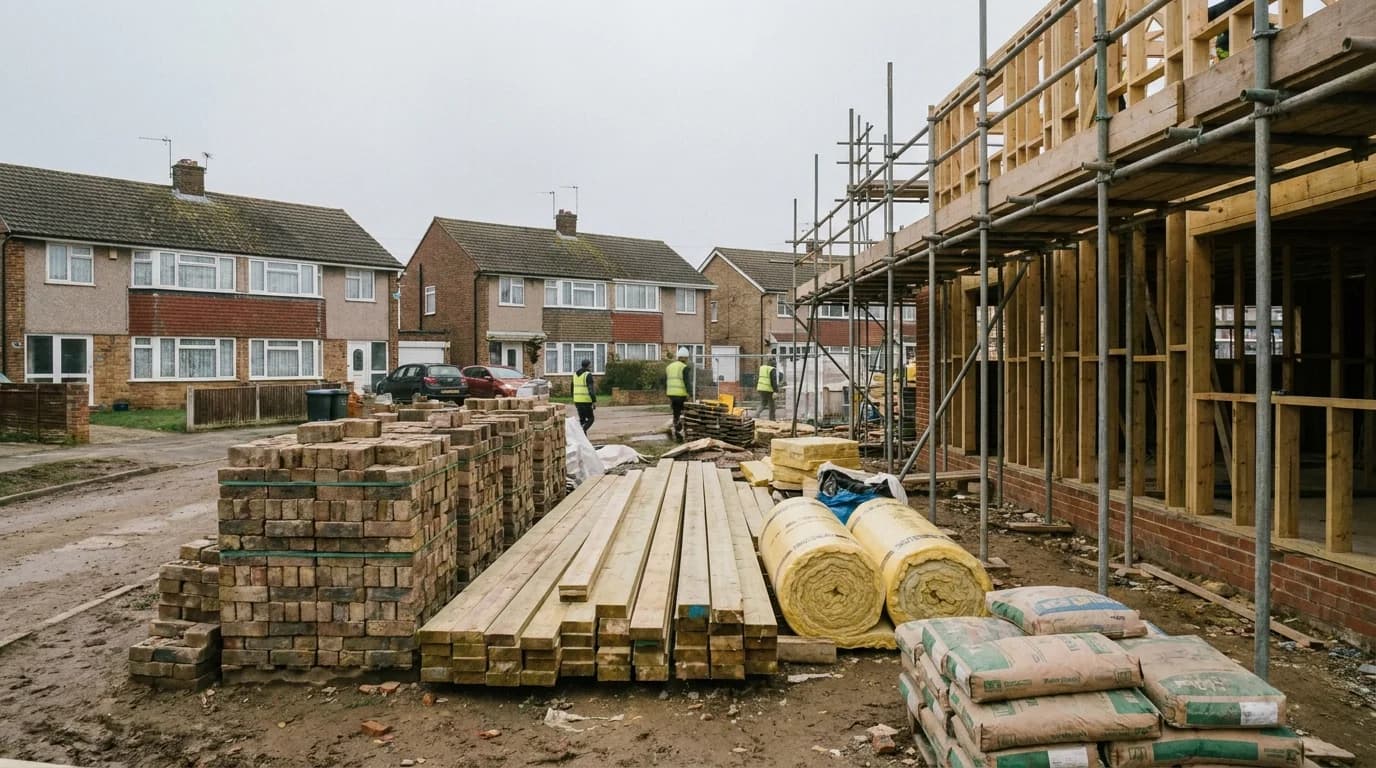
Why material prices matter before your first build
If you do not know what bricks, blocks, cement and timber actually cost, you cannot judge whether a quote is fair. Here is how to research material prices before your first build.
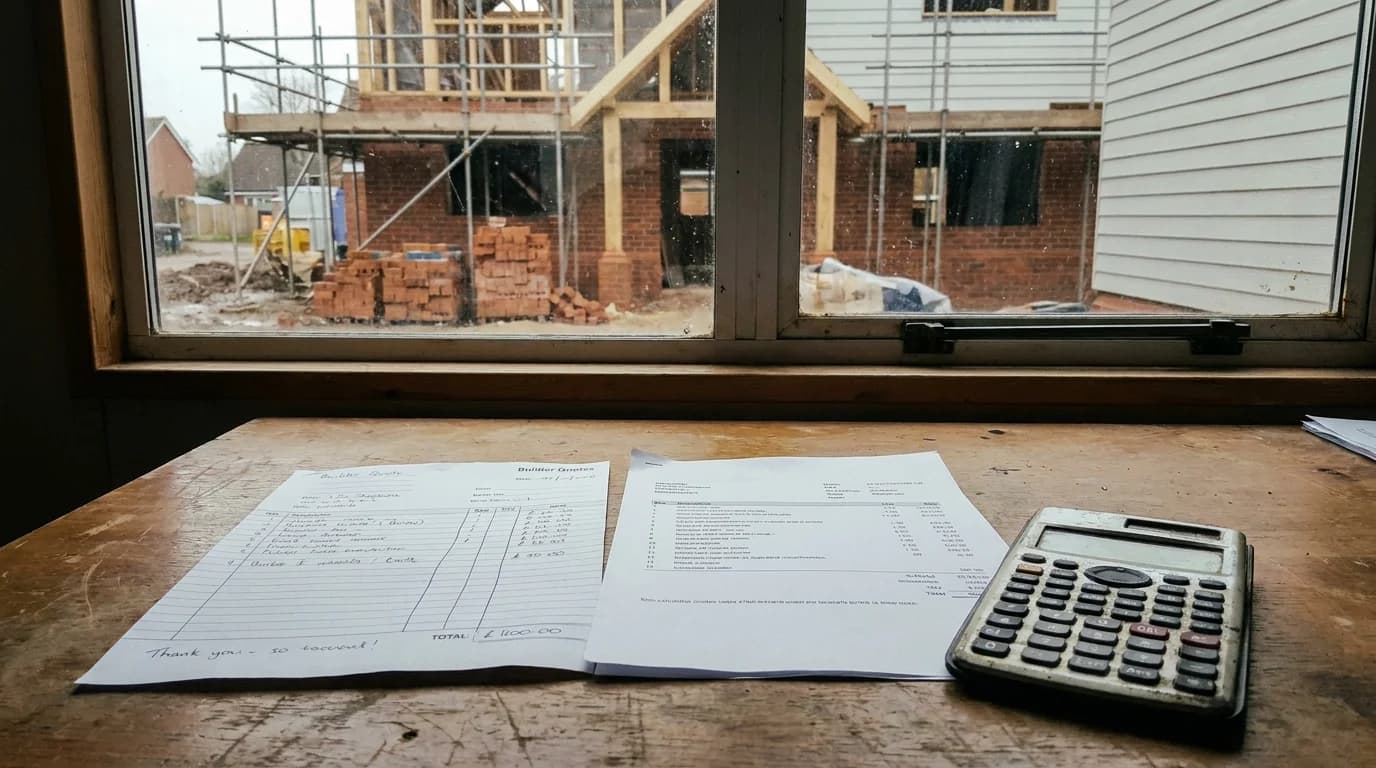
How to compare builder quotes line by line
Comparing builder quotes is not about finding the lowest number. It is about making sure every builder is pricing the same scope, specification and terms.