
Contracts & payments15 Oct 2026
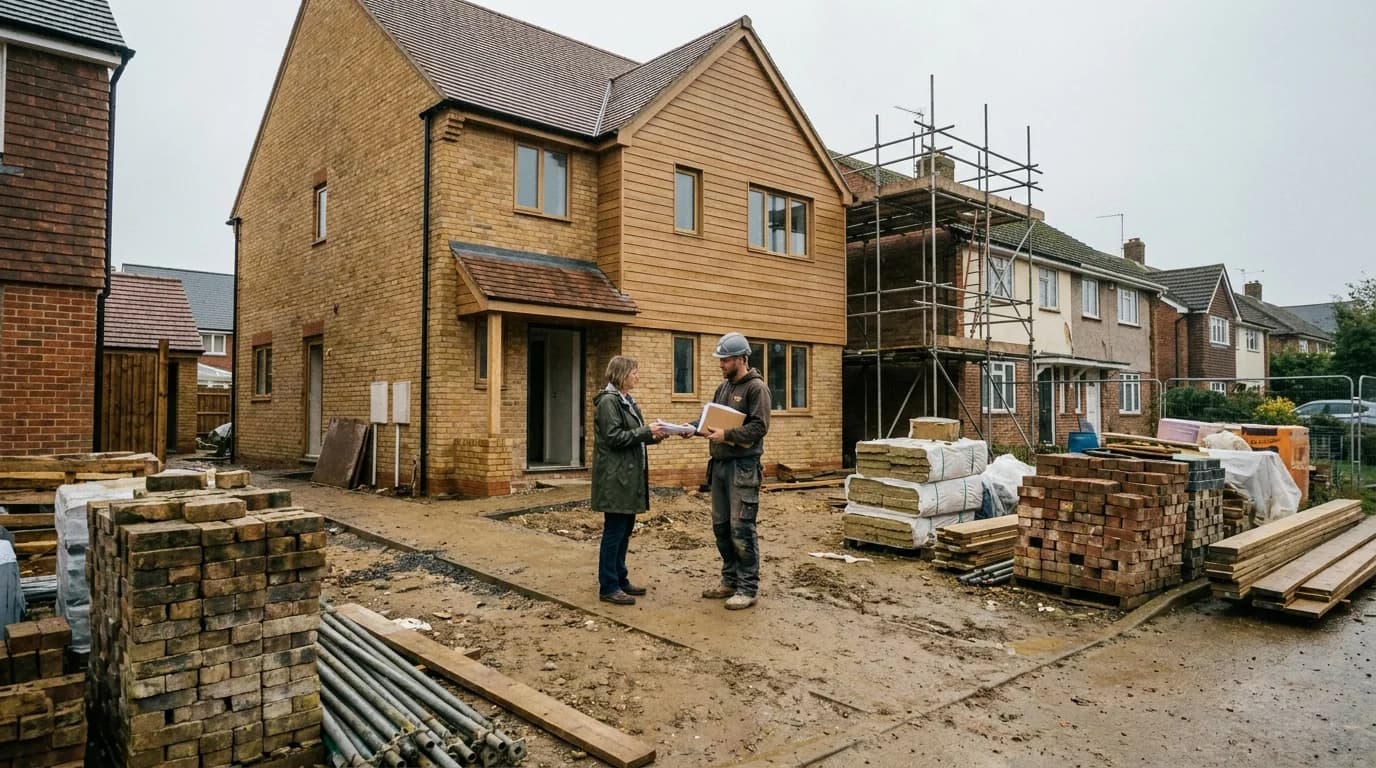
What warranty should a builder give?
Builder warranties protect you if defects appear after completion. Understand what to expect, what to ask for and which warranties really matter.
Read article

Whether you are a first-time homeowner or a seasoned builder, our guides help you plan smarter, choose the right materials and avoid common pitfalls.
Showing 1–12 of 34 articles · page 1 of 3.
Tip: search and category filter refine the current page. Use pagination to see more.
Builder warranties protect you if defects appear after completion. Understand what to expect, what to ask for and which warranties really matter.
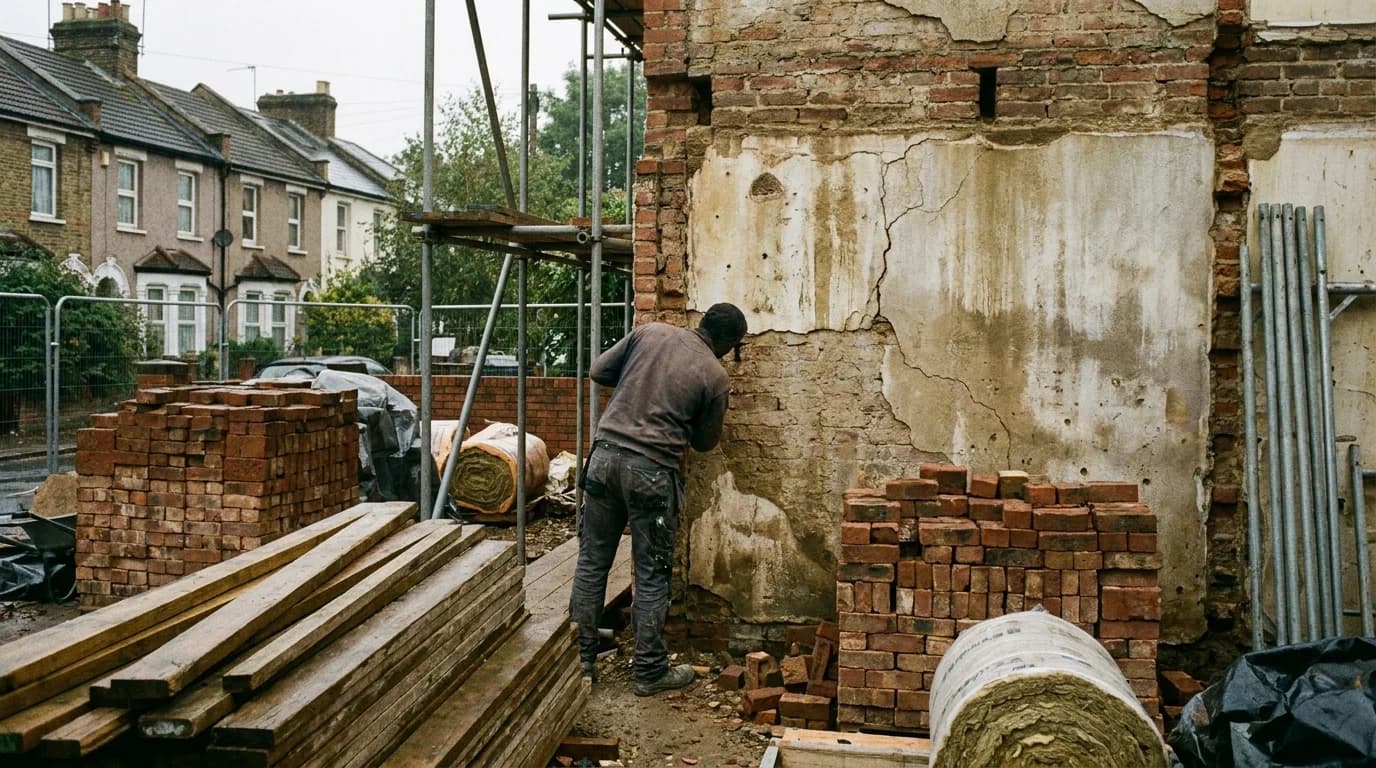
Withholding payment is sometimes justified, but doing it the wrong way can weaken your position. Here is how to protect yourself legally and practically.
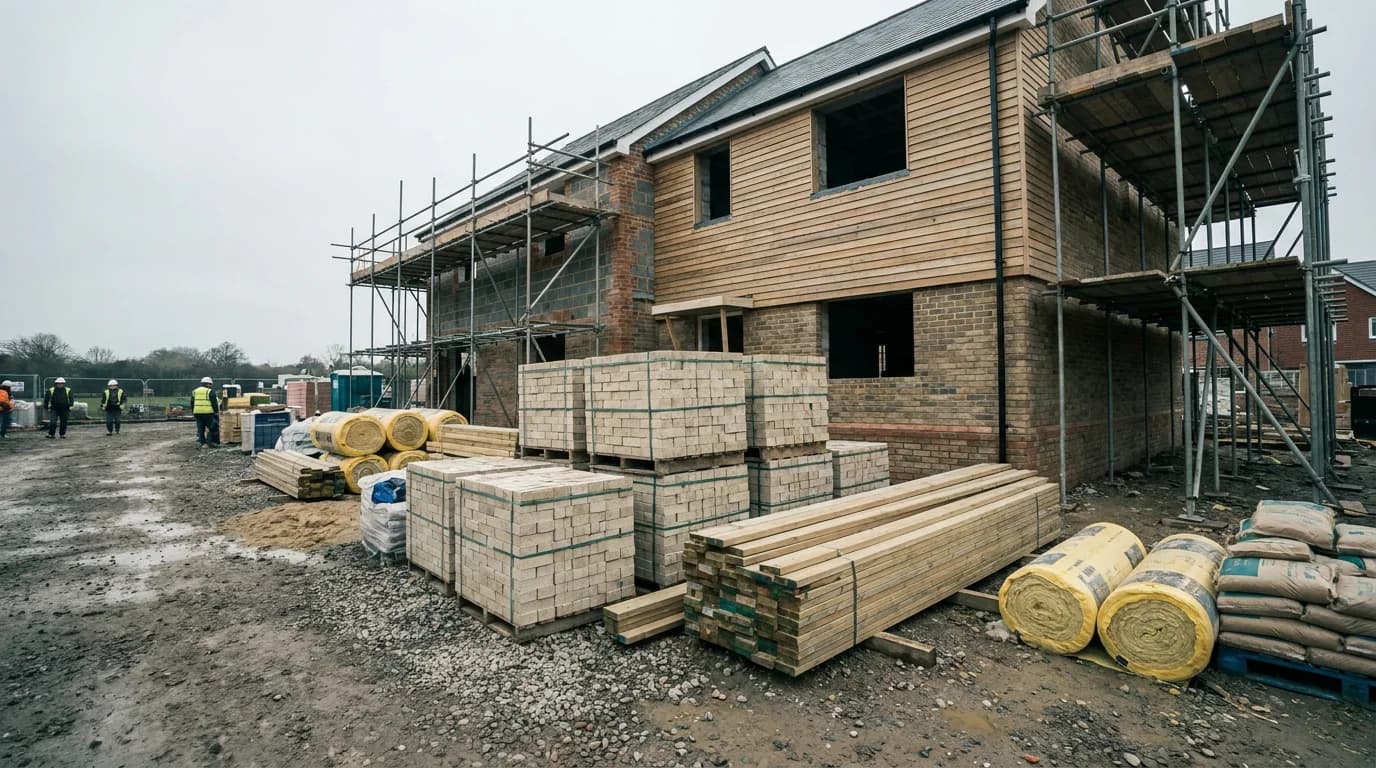
Some materials are worth saving on. Others will cost you far more if you choose the cheapest option. Here is where to invest.
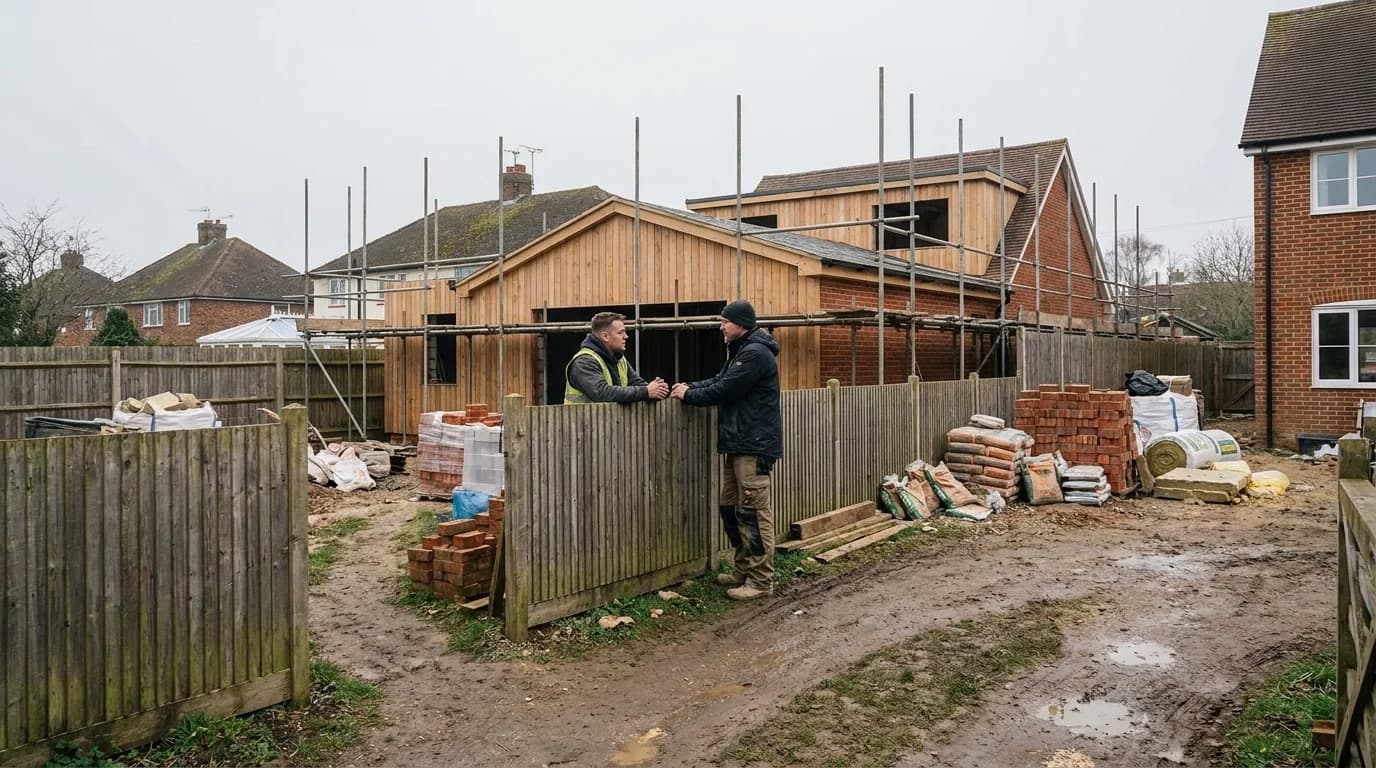
A friend's recommendation is a useful starting point, but it is not a substitute for checks, quotes and a written contract.
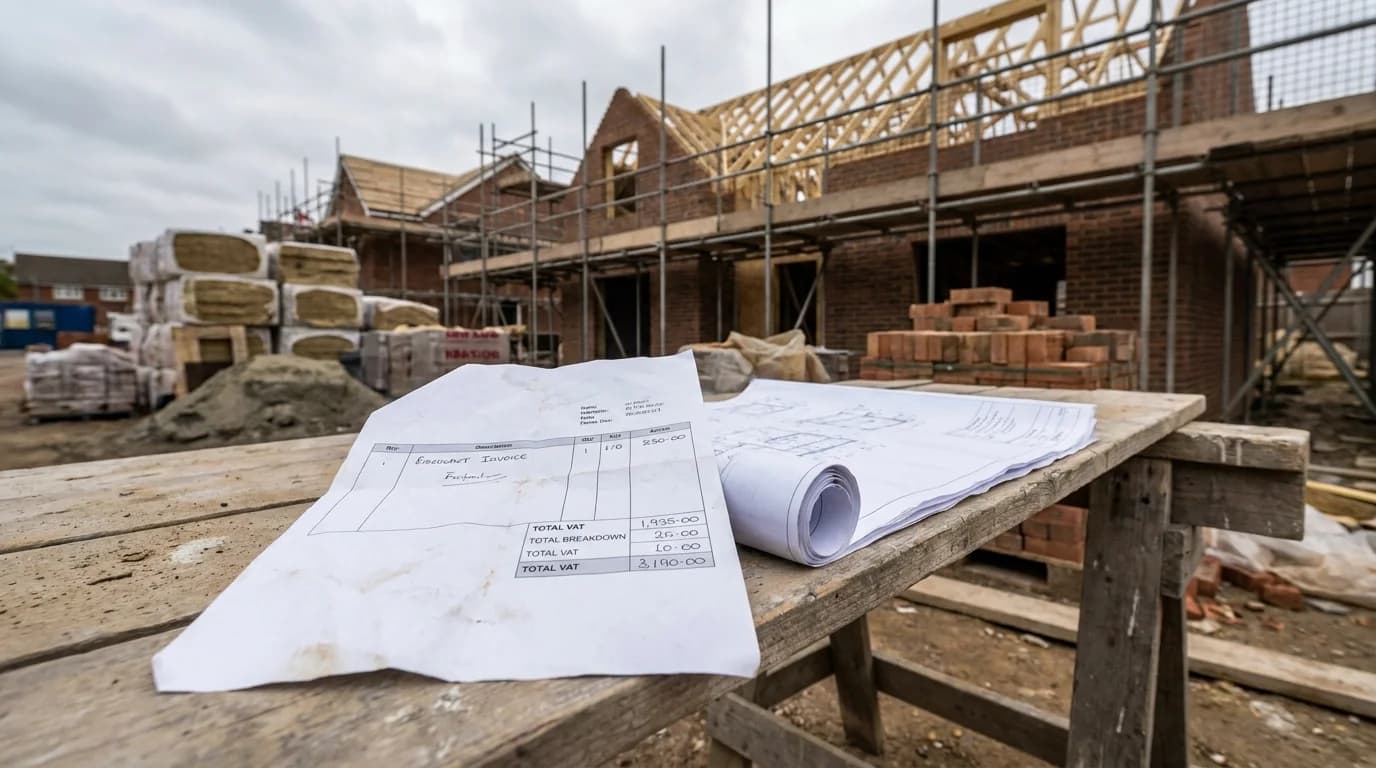
VAT can add thousands to a building project. Understanding when reduced rates apply and what is exempt helps you avoid budget shocks.
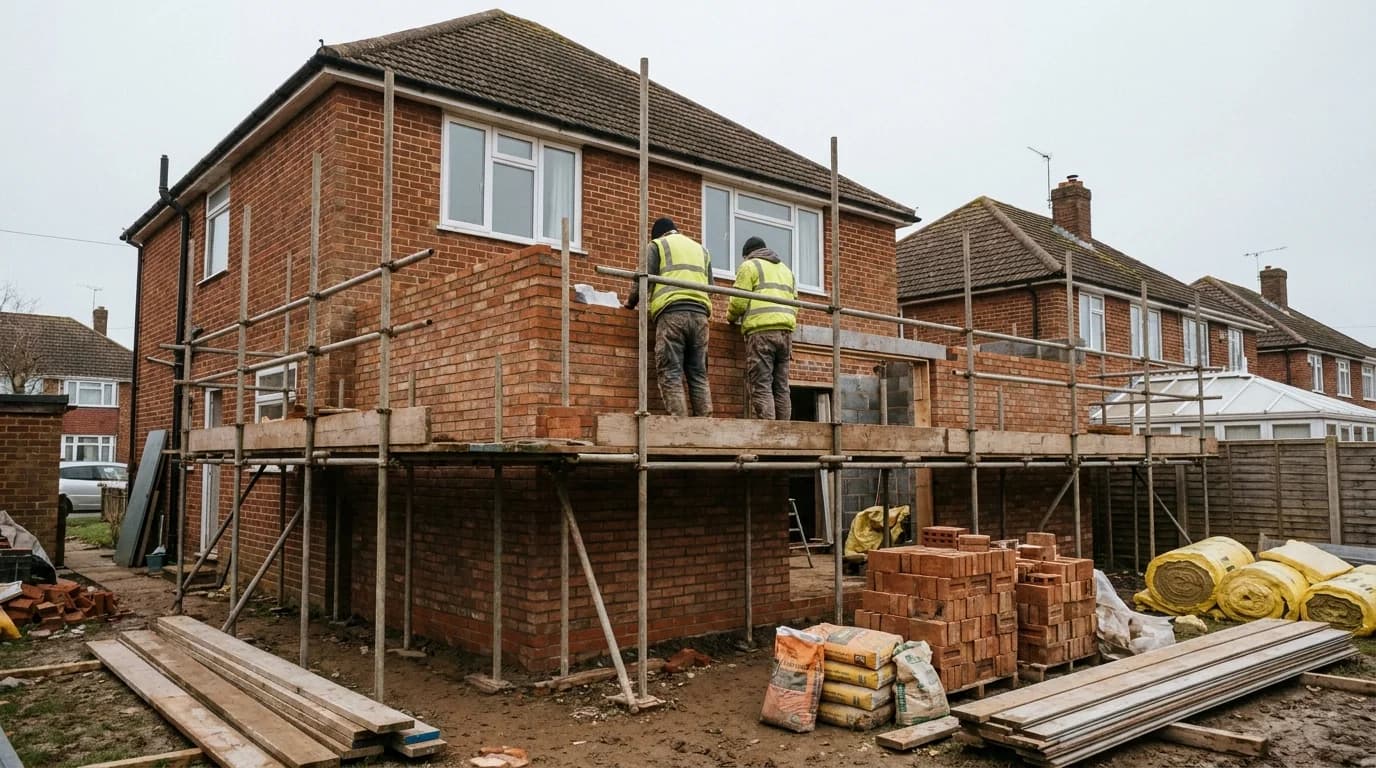
A typical home extension takes 6–12 months from first idea to completion. The biggest delays usually happen before builders arrive on site.
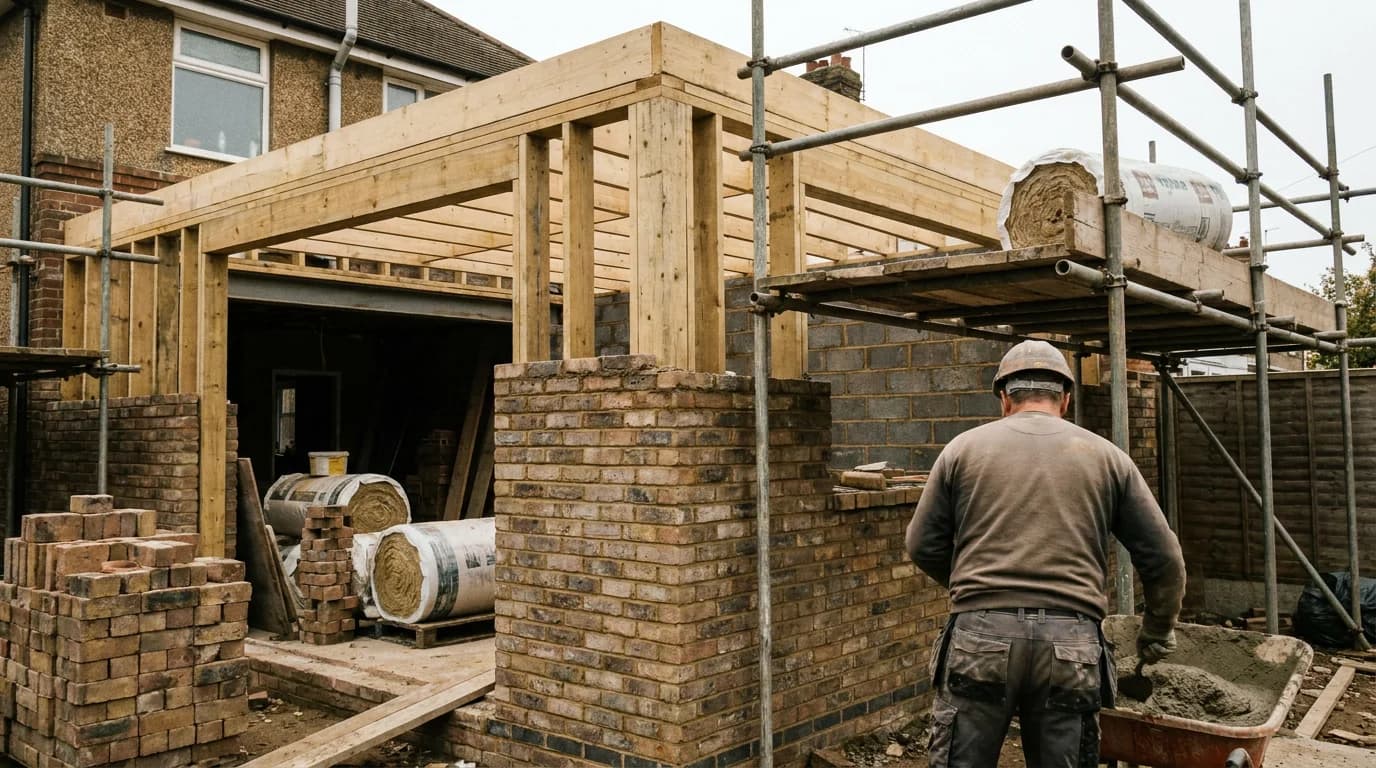
Planning your first building project can feel overwhelming. This guide breaks down budgeting, scheduling, choosing materials and working with builders so you can move forward with confidence.
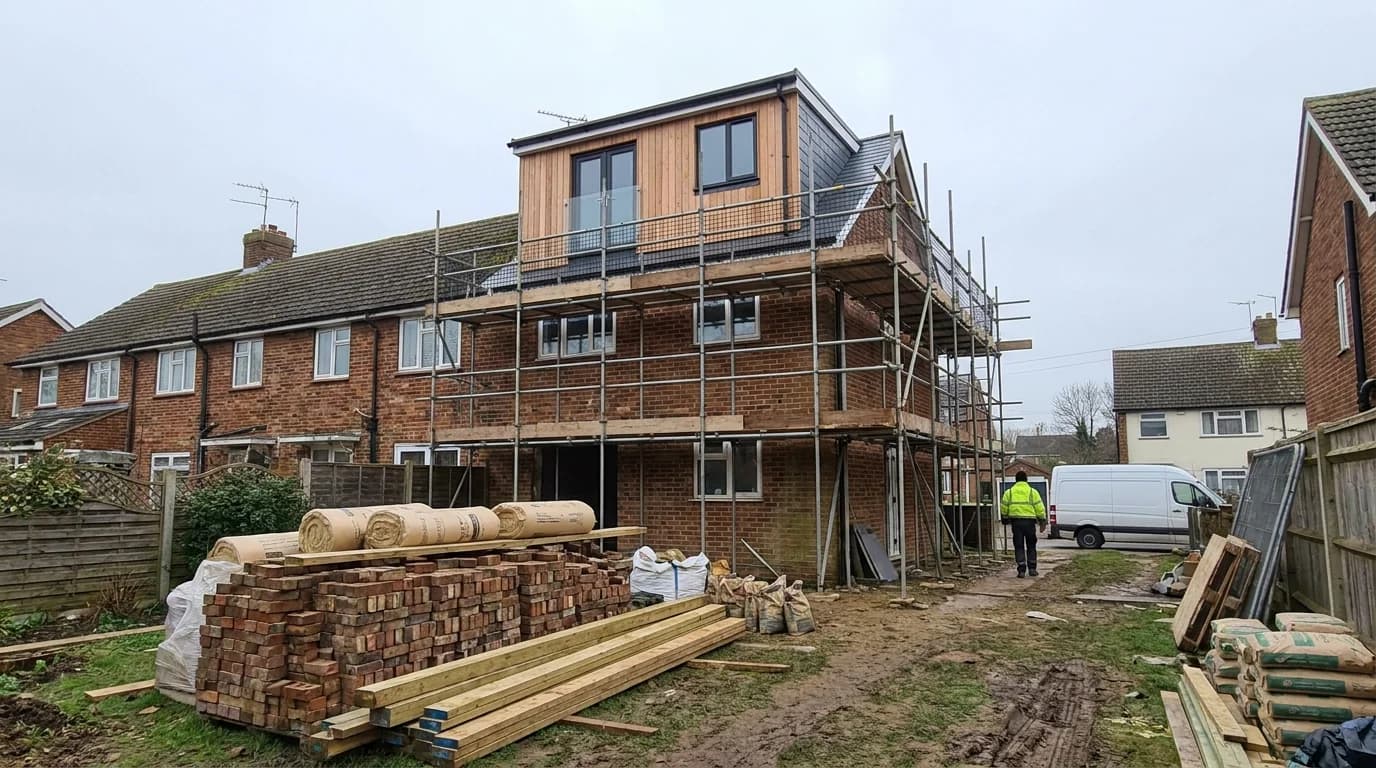
Many loft conversions fall under permitted development, but size, shape and location all affect whether you need formal planning permission.
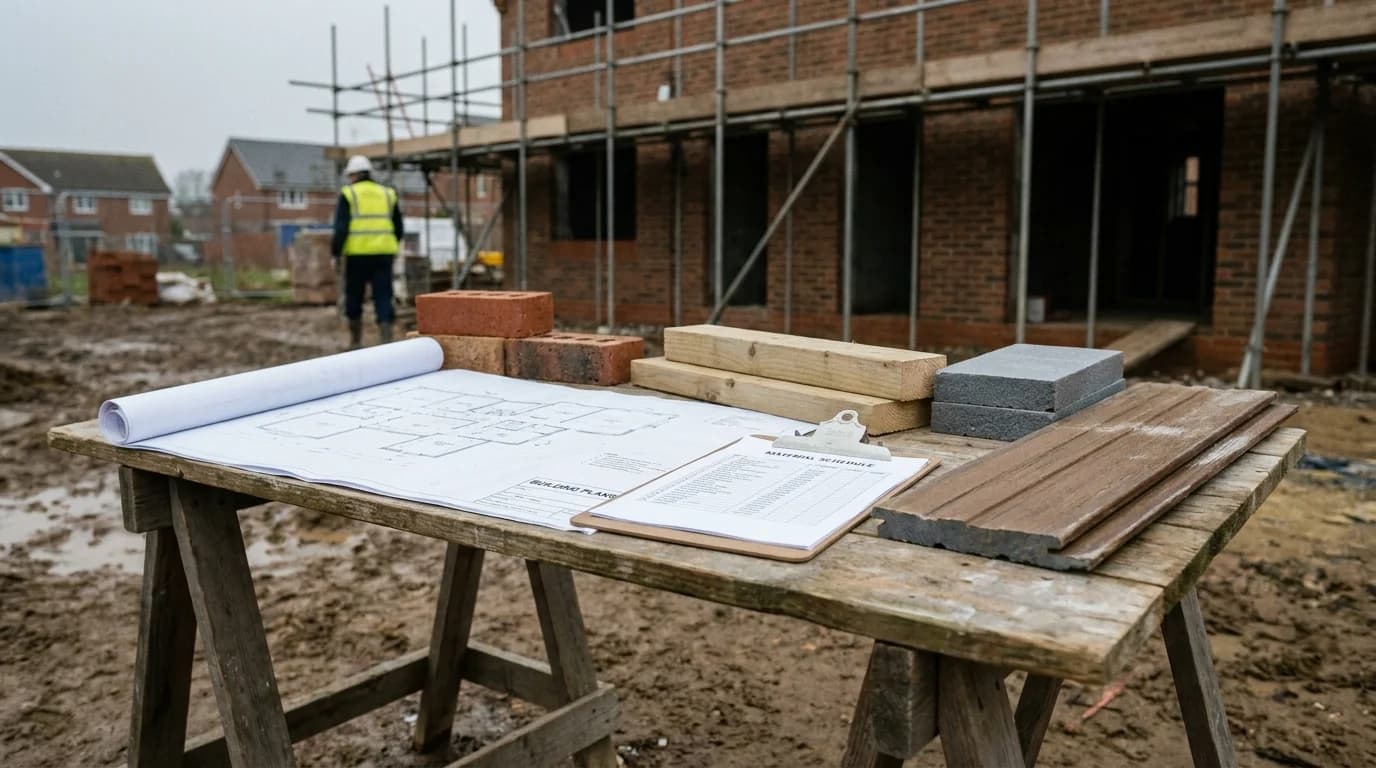
A material schedule tells you exactly what products your builder will use. Learning to read it helps you compare quotes and avoid substitutions.
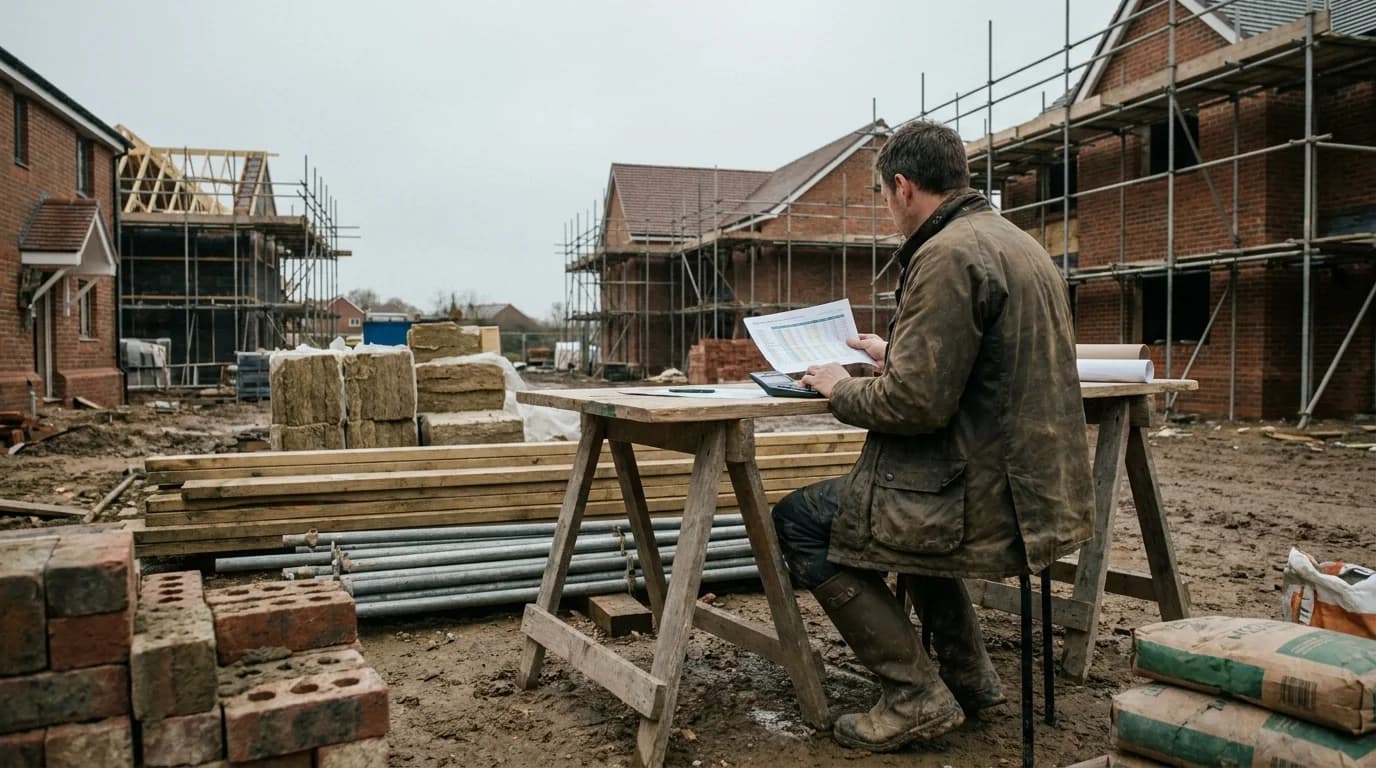
A contingency is not optional padding. It is the part of your budget that stops unexpected problems from derailing your project.
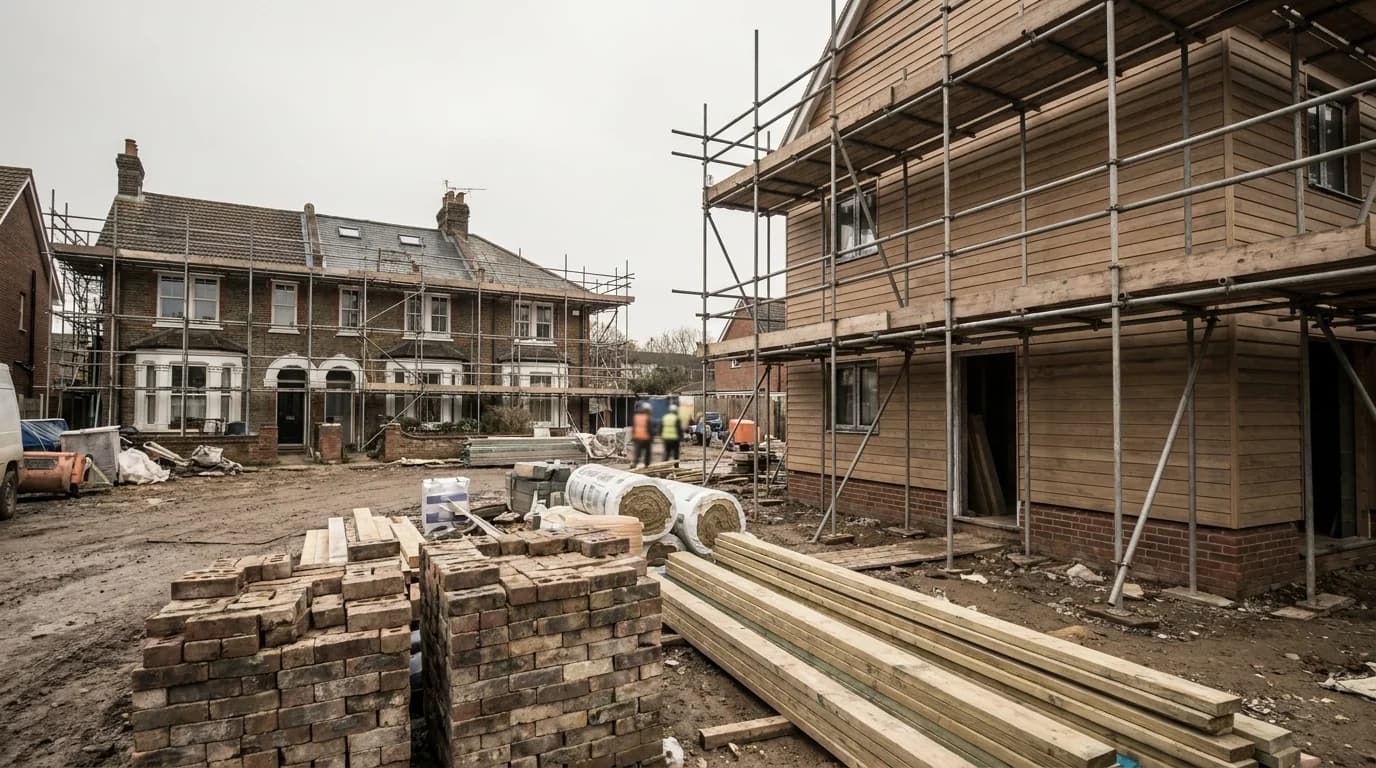
Building new gives you control, while renovating can save money and preserve character. Here is how to compare the two routes.
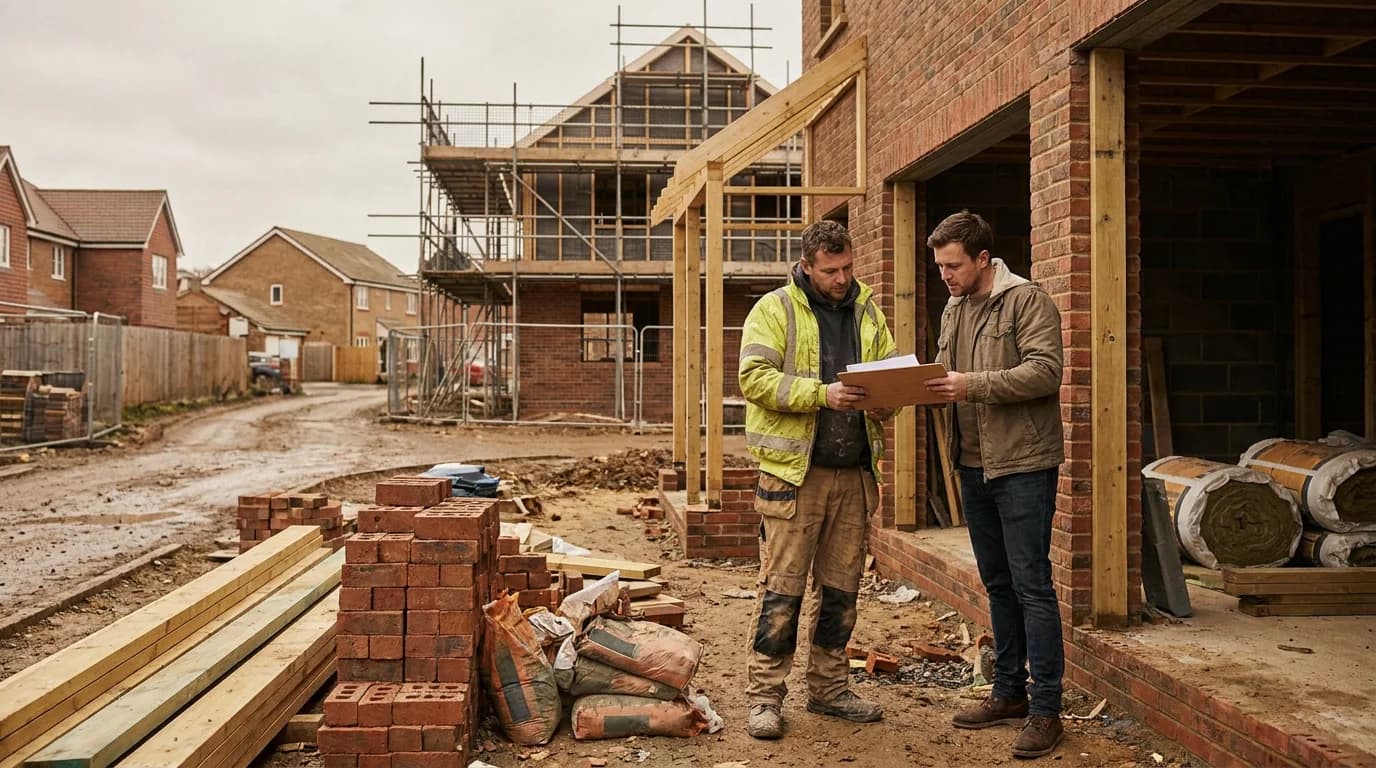
Checking a builder's insurance and qualifications before you hire protects you from cowboy builders, unsafe work and costly disputes.
Verify CSCS cards, check public liability insurance (£2m minimum), ask for 3 recent local references, take written quotes from at least 3 builders, and never pay more than 25% up front. Our advice articles cover each of these checks in detail.
A single-storey rear extension on a typical semi takes 8-12 weeks from breaking ground to completion. A two-storey extension takes 14-20 weeks. The longest phase is always groundworks and foundation curing — 4-6 weeks alone.
Most extension projects benefit from the homeowner sourcing the materials: trade-counter pricing on aggregates, bricks and timber is usually 20-30% below builder rate. The trade-off is time spent managing deliveries and check-ins. Our calculators and trade quotes can save you both ways.