
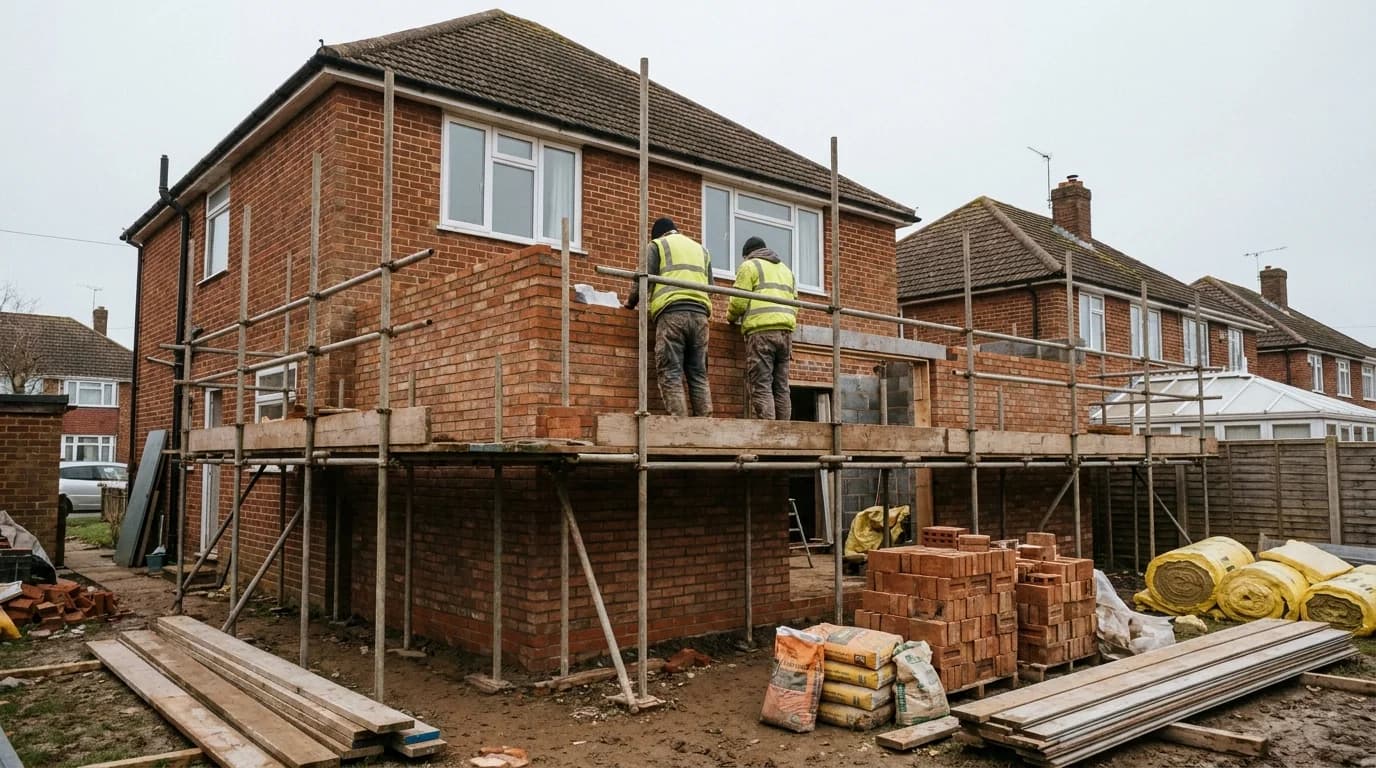
How long does a home extension take?
A typical home extension takes 6–12 months from first idea to completion. The biggest delays usually happen before builders arrive on site.
- Category
- Timing & seasonality
- Author
- Star Hawk Builders Merchant
- Date
- 14 May 2026
- Read time
- 6 min
Timing & seasonality · Star Hawk Builders Merchant
A typical home extension takes 6–12 months from first idea to completion. The biggest delays usually happen before builders arrive on site.
6 min read · Published 14 May 2026
One of the first questions homeowners ask about an extension is "how long will it take?" The honest answer is longer than most people expect. A typical home extension takes 6–12 months from first idea to moving back in, and sometimes longer for complex projects. The work that happens before the builder arrives on site often takes just as long as the build itself.
This guide breaks down a realistic timeline for a UK home extension and explains where delays usually occur. For advice on when to start, read our guide to the best time of year to start building. For official guidance on planning timelines, see the Planning Portal.
The full timeline: design to completion
A home extension usually passes through these stages:
| Stage | Typical duration |
| Initial ideas and budget | 2–4 weeks |
| Design and drawings | 4–8 weeks |
| Planning permission or Lawful Development Certificate | 8–16 weeks |
| Building regulations approval | 2–6 weeks |
| Tender and appointing a builder | 4–8 weeks |
| Party wall agreements if needed | 4–12 weeks |
| Groundworks and foundations | 2–4 weeks |
| Structural shell and roof | 4–8 weeks |
| First fix electrics, plumbing and plastering | 3–5 weeks |
| Second fix, kitchen, bathrooms and finishing | 4–8 weeks |
| Snagging and final touches | 1–3 weeks |
A simple rear extension on a modern property may sit at the lower end. A complex wraparound extension on an older property with access problems and bespoke finishes may exceed these figures.
Design and pre-construction
The pre-construction phase is where most extensions succeed or fail. Rushing this stage causes problems later.
Ideas and budget
Spend time deciding what you want and what you can afford. A clear brief helps your designer produce better drawings and helps builders quote accurately. Our guide to extension costs will help you set a realistic budget.
Design and drawings
An architect or architectural designer will usually take 4–8 weeks to produce initial sketches and detailed drawings. Revisions, feedback and final approval can add several more weeks.
Planning permission
If you need planning permission, submit as early as possible. A householder application costs £462 in England and the target decision time is eight weeks. Complex applications or requests for further information can take longer. You can check current fees and rules on the Planning Portal.
If your project is permitted development, applying for a Lawful Development Certificate is still worthwhile. It confirms the work was lawful and helps when you sell.
Building regulations
Your builder or designer will submit drawings to building control for approval. This can take 2–6 weeks depending on whether you use the local authority or an approved inspector. Read more about the process on GOV.UK building regulations approval.
Party wall agreements
If you share a wall with a neighbour, party wall procedures can add a month or more. Notice must be served early, and disputes require surveyors to agree an award. Our guide to party wall agreements explains the process.
Tendering
Getting quotes from builders takes time. Allow at least 4–8 weeks for builders to visit, price and clarify the scope. Rushing this stage often leads to inaccurate quotes and future disputes.
On-site construction stages
Once work begins, the build usually follows a clear sequence.
Groundworks and foundations
This stage includes setting out, excavation, drainage, foundations and oversite preparation. It typically takes 2–4 weeks but can be longer if ground conditions are poor or access is difficult.
Structural shell
The walls, roof structure and any steel beams go up next. A single-storey extension might take 3–5 weeks. A two-storey extension with complex structural work can take 6–8 weeks.
Roof covering and windows
Once the structure is watertight, roof tiles or membrane, windows and doors are installed. This makes the building secure and weatherproof.
First fix
First fix includes electrics, plumbing, heating pipes, insulation and plasterboard. This stage usually takes 3–5 weeks.
Plastering
Plastering turns the shell into finished walls and ceilings. It typically takes 1–2 weeks, plus drying time before decoration.
Second fix and finishing
Second fix includes sockets, switches, light fittings, radiators, kitchen installation, bathrooms, tiling and flooring. This is the stage homeowners notice most, and it often takes 4–8 weeks.
Snagging
After practical completion, there is usually a list of small defects to fix. Allow 1–3 weeks for snagging and final handover.
Builder availability and lead times
One factor that is often underestimated is how far ahead good builders are booked. A reputable builder with a strong local reputation may have a waiting list of three to six months before they can start your project. This is not necessarily a bad sign. Builders who are busy are usually busy for a reason.
Rather than choosing whoever can start tomorrow, it is often worth waiting for a builder with the right experience and references. Use the waiting period to finalise designs, secure planning permission and order long-lead materials. Starting construction before these are ready is one of the most common causes of delay.
What causes delays?
Extensions run late for many reasons. The most common include:
- Planning delays. Missing information, neighbour objections or conservation officer concerns can add weeks.
- Party wall disputes. A neighbour who dissents triggers a formal award process.
- Design changes. Changing your mind during the build is one of the most expensive ways to cause delay.
- Material shortages. Special-order windows, bespoke kitchens and imported tiles can have long lead times.
- Bad weather. Heavy rain, frost and snow affect groundwork, bricklaying and roofing.
- Builder availability. Good builders are often booked months ahead.
- Unforeseen site conditions. Poor ground, hidden drains and asbestos all cause delays.
Our guide on how to handle building delays offers practical strategies for keeping your project on track.
How to avoid delays
- Fix the design before work starts. Every change during construction costs time and money.
- Start planning permission early. Submit before you need an answer.
- Order long-lead items early. Windows, kitchens and specialist products should be ordered during pre-construction.
- Maintain good neighbour relations. This can prevent party wall disputes.
- Prepare your home. Clear access, protect valuables and arrange alternative living if needed. Read our guide on preparing your home for builders.
- Choose the right builder. A well-organised builder keeps the programme moving.
Seasonal considerations
Spring and summer are popular times to start because longer days and milder weather help external work. However, starting in autumn or winter can sometimes mean your builder is more available.
The key is to match your start date to the most weather-sensitive parts of the build. Groundworks and bricklaying are best done in dry, frost-free conditions. Internal trades such as plastering, electrics and decorating are less affected by weather.
Living through the build
A major extension is disruptive. Dust, noise, temporary loss of facilities and strangers in your home become routine. Some homeowners move out for part of the build. Others stay and put up with the inconvenience.
Whichever you choose, plan ahead. Set up a temporary kitchen, protect furniture and keep children and pets safe.
Final thoughts
A home extension takes time, but most of that time is spent planning, designing and waiting for approvals. The better prepared you are, the smoother the build will be. Be realistic, build in contingency time and choose a builder who communicates well.
For materials support and realistic delivery times, request a quote from Star Hawk Builders Merchant, find your nearest branch or browse our case studies to see projects we have supplied.
Frequently asked questions
How long does a single-storey extension take to build?
On site, a straightforward single-storey extension usually takes 3–5 months. A two-storey extension typically takes 5–8 months.
What causes the longest delays in an extension?
Planning permission, party wall agreements, design changes and material lead times usually cause longer delays than on-site construction.
Can building work continue in winter?
Yes, but cold and wet weather can slow groundwork, bricklaying and finishing trades. Some tasks are better done in milder months.
How can I keep my extension on schedule?
Fix the design before work starts, order materials early, avoid changes and maintain clear communication with your builder.
Need materials for your project?
Send us your material schedule and we'll come back with stock availability, a written quote and a delivery slot, usually within the hour during trade hours.
Related articles
More guides and advice to help your building project run smoothly.
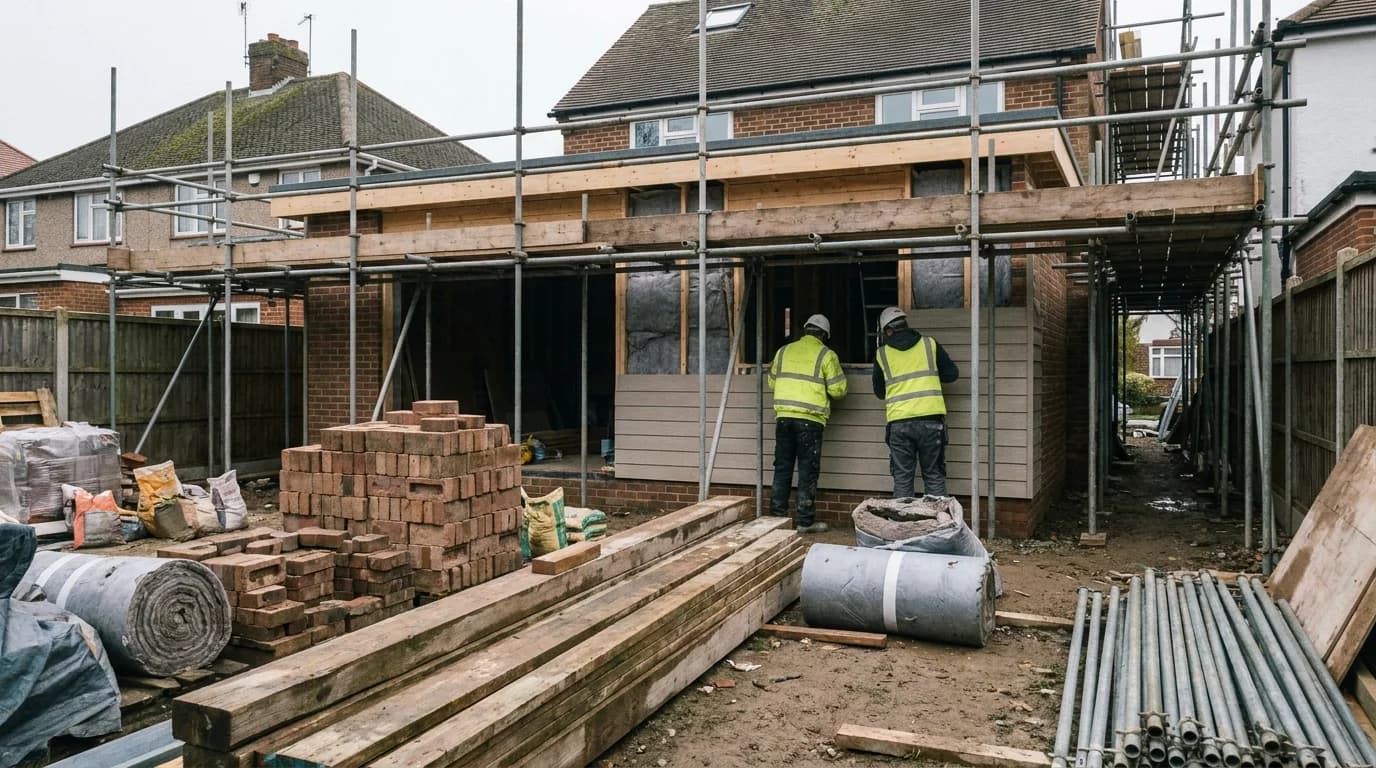
How much does a home extension really cost?
Build costs are only part of the story. This guide breaks down realistic extension prices, hidden fees and how to budget for a project that does not run out of money.
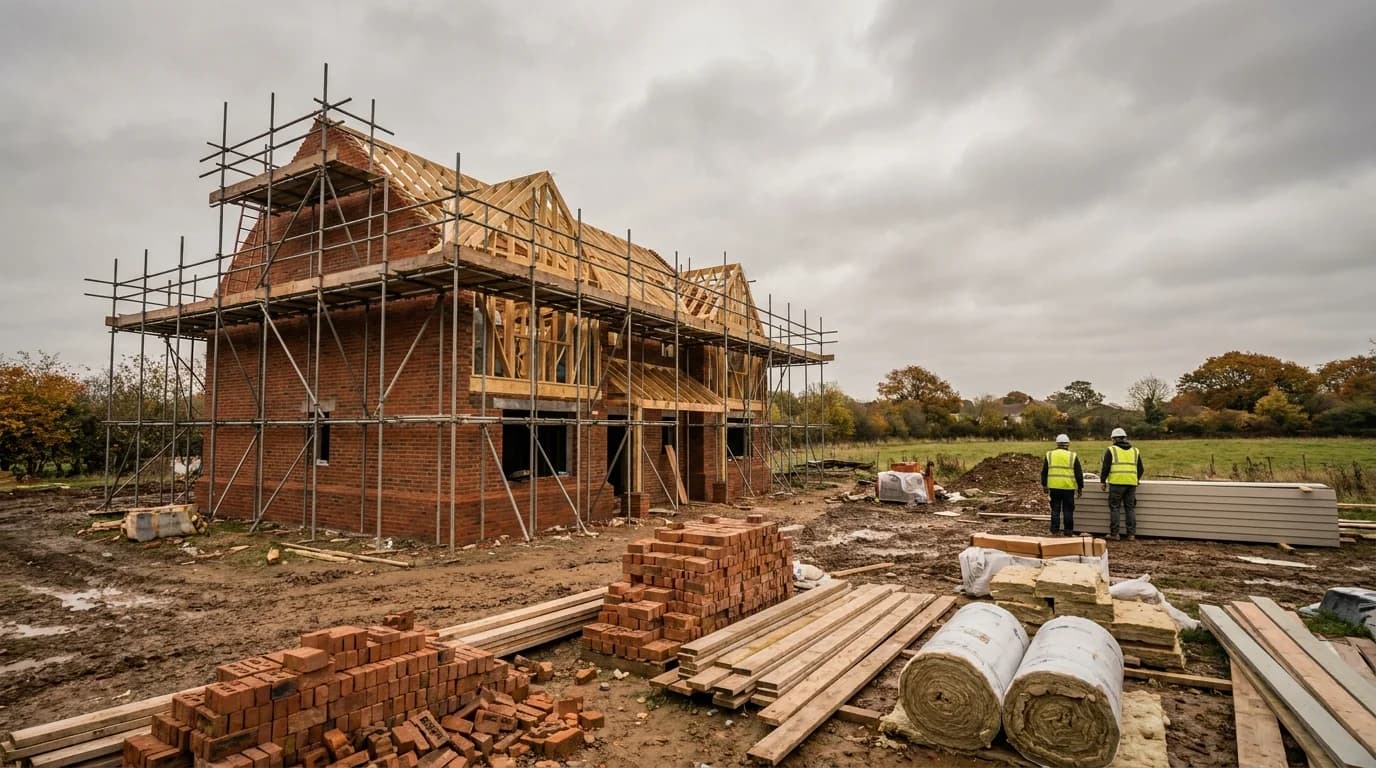
The best time of year to start building work
Spring and summer are busy, expensive and hard to book. Winter is quieter, trades are more available and prices can be softer. Here is how to choose the right season for your project.
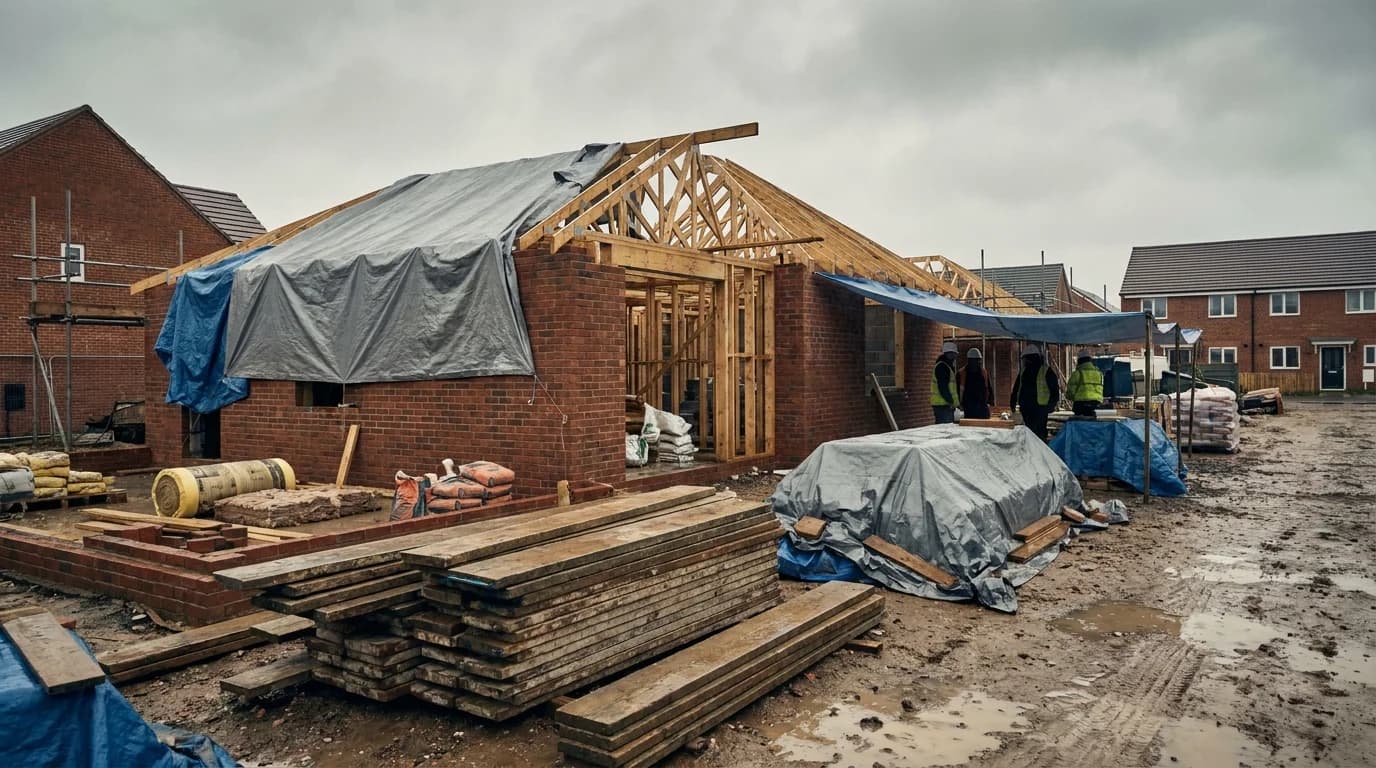
How to handle building delays without losing money
Building delays are common, but they do not have to wreck your budget. A clear contract, good communication and a written record are your best protection.
Hidden costs that blow your extension budget
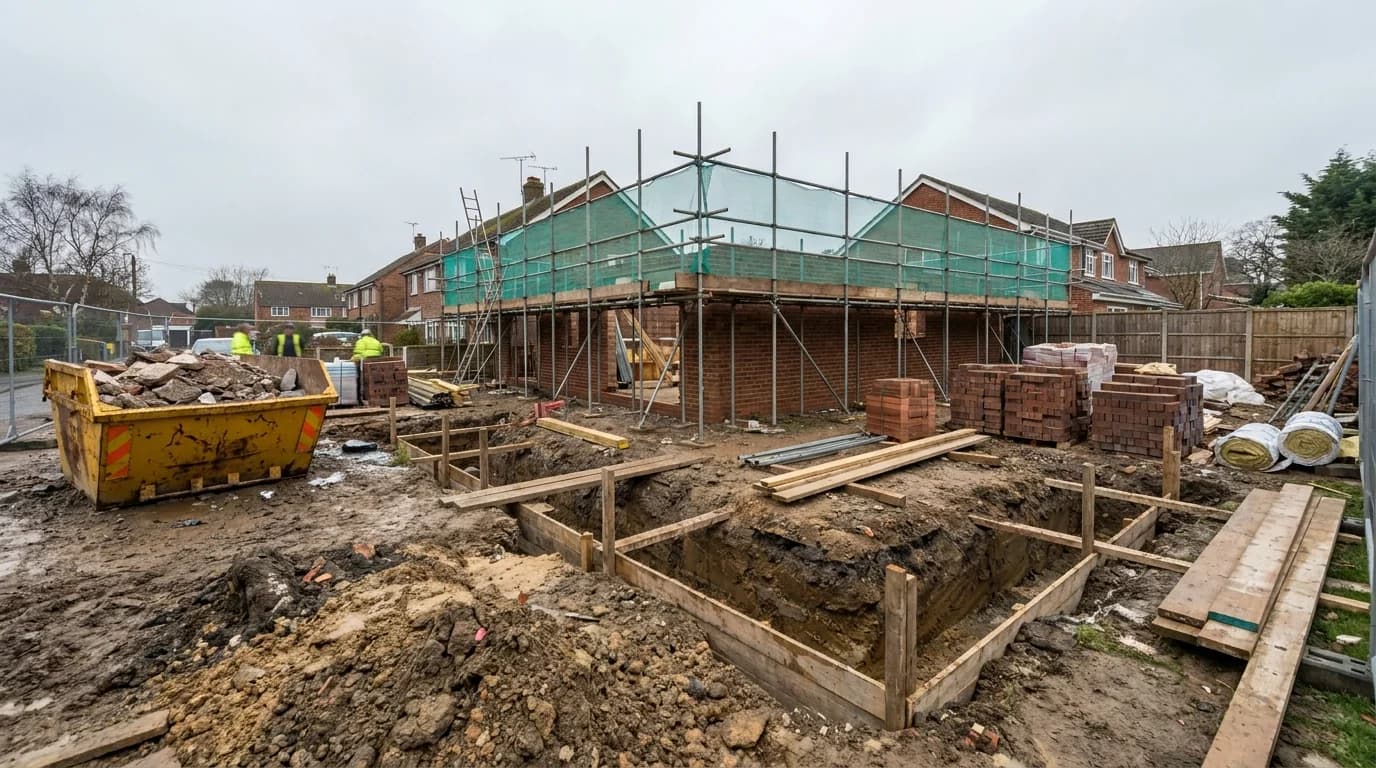
The builder's quote is only part of the cost. Planning fees, building regulations, skips, scaffolding and contingencies can add thousands. Here is what to budget for.
How to prepare your home before builders arrive
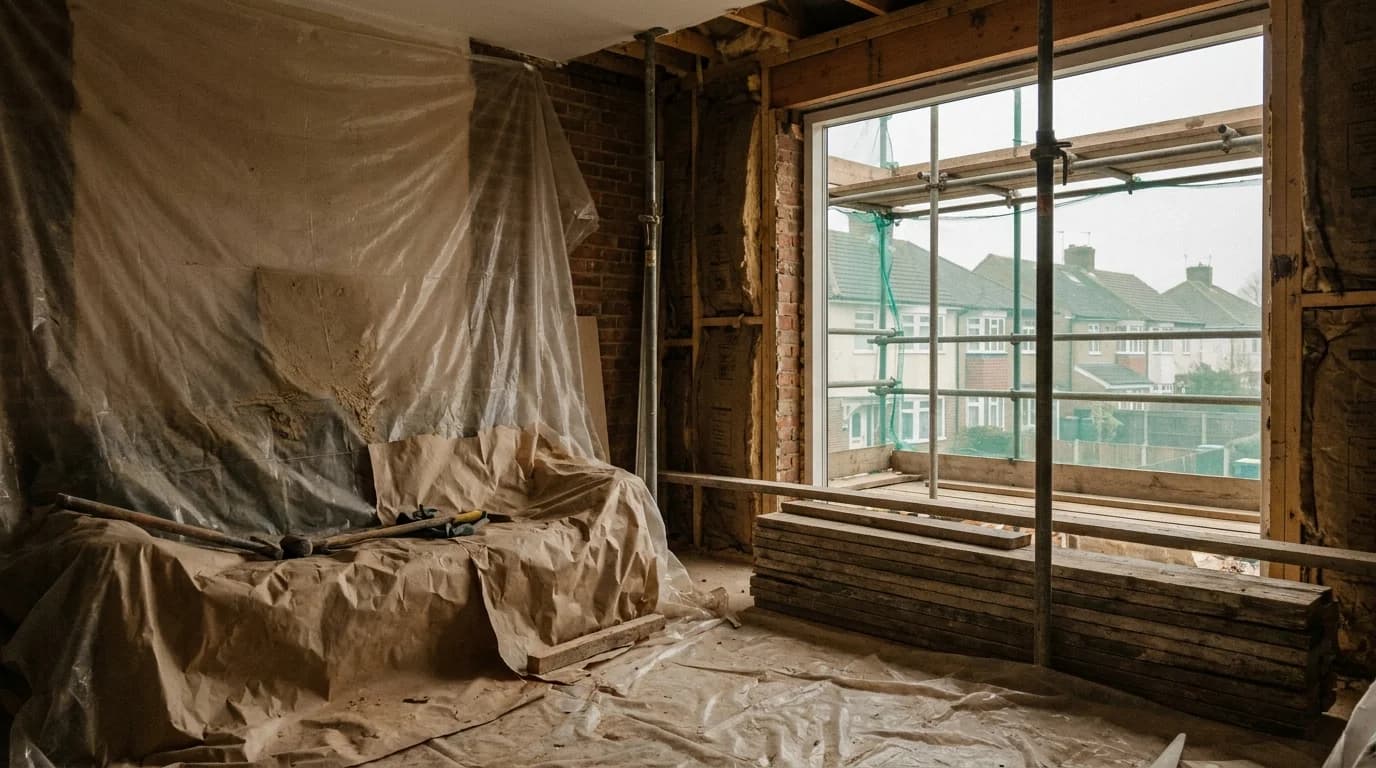
Clearing access routes, protecting floors and agreeing working hours before builders arrive can prevent delays, damage and disputes.