
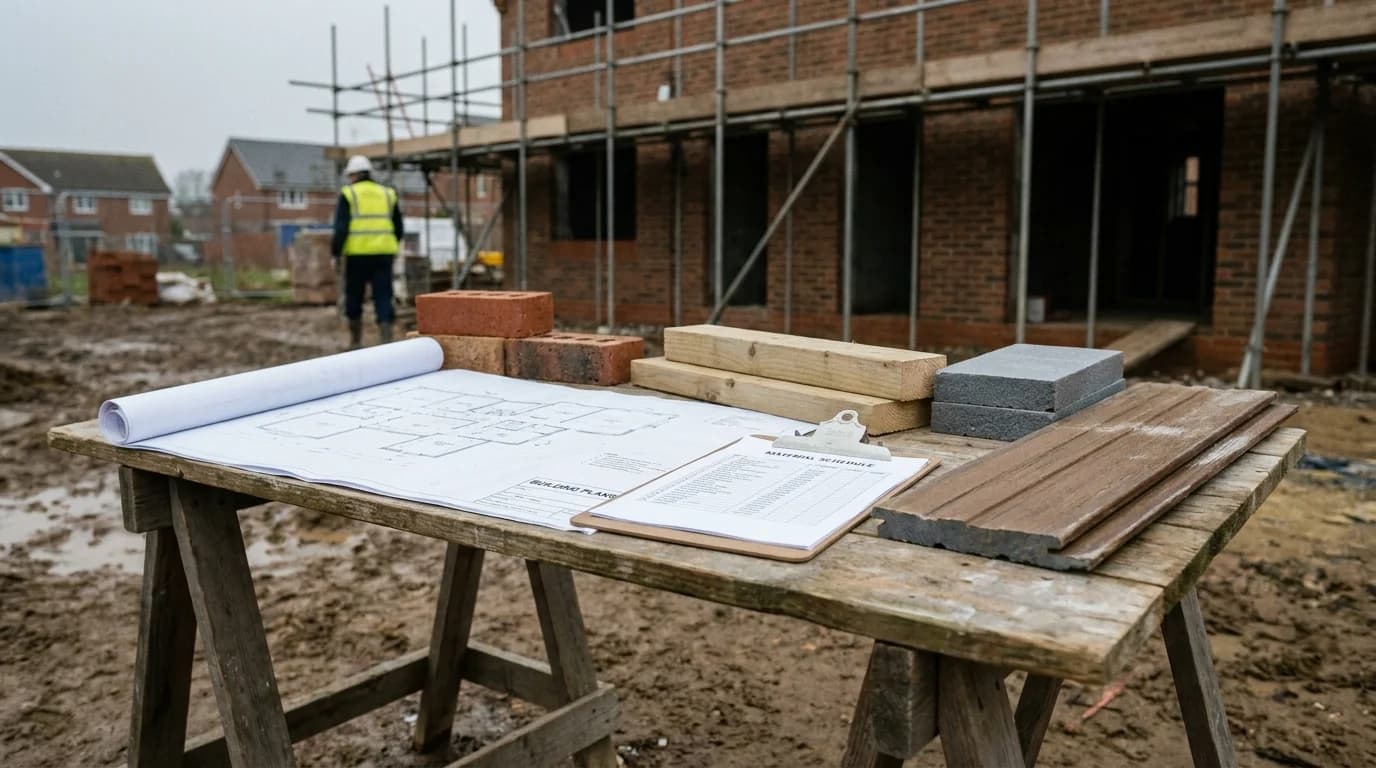
How to read a material schedule from your builder
A material schedule tells you exactly what products your builder will use. Learning to read it helps you compare quotes and avoid substitutions.
- Category
- Materials & sourcing
- Author
- Star Hawk Builders Merchant
- Date
- 12 February 2026
- Read time
- 6 min
Materials & sourcing · Star Hawk Builders Merchant
A material schedule tells you exactly what products your builder will use. Learning to read it helps you compare quotes and avoid substitutions.
6 min read · Published 12 February 2026
When you receive a builder's quote, the price is only part of the story. What really matters is what you get for that price. A material schedule, also called a bill of materials or specification, lists every product the builder intends to use. Understanding how to read it protects you from poor substitutions, hidden shortfalls and misunderstandings.
This guide explains what a material schedule contains, how to check it and what questions to ask. For competitive pricing on the materials listed, request a quote from Star Hawk Builders Merchant or find your nearest branch.
What is a material schedule?
A material schedule is a document that sets out the products required for a building project. It usually includes:
- Product names and descriptions.
- Manufacturers and brand names.
- Product codes or model numbers.
- Quantities and units.
- Sizes and dimensions.
- Quality standards or British Standards references.
- Where each product is used in the build.
A good schedule leaves no room for doubt. Instead of "insulation," it says "100 mm rigid PIR insulation to BS EN 13165." Instead of "tiles," it gives the manufacturer, colour, size and slip rating. You can check British Standards through the British Standards Institution or ask your merchant for guidance.
Why the schedule matters
Two builders can quote very different prices for the same project because they are specifying very different materials. A cheap quote may use lower-grade products, thinner insulation, standard windows instead of energy-efficient ones, or unbranded fixings.
Reading the schedule lets you compare like for like. It also gives you a basis for discussion if you want to upgrade, downgrade or substitute a product.
The main sections of a material schedule
Material schedules vary, but most cover the same building elements.
Foundations and groundworks
This section lists concrete, reinforcement, damp-proof membranes, drainage pipes, manholes and backfill materials. Check the concrete strength, reinforcement specification and whether the damp-proof course is included.
Structural materials
This includes timber, steel beams, lintels, wall ties, mortar and blocks or bricks. Look for grade marks, treatment specifications and British Standards. For example, structural timber should show a strength class such as C16 or C24.
Insulation
Check the type, thickness and thermal performance. Products should reference current building regulation requirements. Thin or low-performance insulation can cause compliance problems and higher energy bills.
Windows and doors
A schedule should list the manufacturer, frame material, glazing specification, U-values and hardware finishes. "PVC windows" is not enough. "White uPVC casement window, A-rated, double glazed, argon filled" is better.
Roofing
This includes tiles or slates, battens, felt or membrane, leadwork, gutters and downpipes. Check compatibility with existing roof coverings and whether the builder has allowed for waste.
Cladding and finishes
Brick, render, timber cladding, fascias and soffits should all be specified with manufacturer and colour where relevant. Vague terms like "matching render" can lead to disputes.
Electrical and plumbing
A material schedule for first and second fix should list cable sizes, consumer unit specification, sockets, switches, pipework, fittings and sanitaryware. Electrical work must comply with Part P of the building regulations.
Fixings, adhesives and sealants
Small items matter. The wrong screws, adhesive or sealant can cause failures that are expensive to put right. A thorough schedule lists these even if they seem minor.
Provisional sums and prime cost sums
Schedules sometimes include provisional sums or prime cost sums rather than fixed prices. A provisional sum is an allowance for work whose full extent is not yet known. A prime cost sum is an allowance for the supply of items that have not been fully specified, such as sanitaryware or light fittings.
These allowances are not final prices. If the actual cost is higher, you pay the difference. If it is lower, you should receive a credit. Make sure you understand which items are provisional and ask your builder to update the figures as soon as choices are made.
How to check quantities
Quantity is where many schedules fall short. Builders typically add a percentage for waste, but the allowance should be reasonable. Too little and the project stalls while more materials are ordered. Too much and you are paying for products you do not use.
Check that quantities match the drawings and specification. If the schedule lists 150 square metres of floor tiles but the floor area is 120 square metres, ask what the extra is for. It may be a sensible cutting and wastage allowance, or it may be an error.
Understanding substitutions
Schedules often include phrases like "or equal approved" or "or similar." These mean the builder can propose an alternative, but only if it is genuinely equivalent. You should approve any substitution in writing.
Be wary of vague phrases like "builder's standard" or "as selected." These give the builder too much discretion. Ask for specific products or a range to choose from.
Comparing schedules between builders
When comparing quotes, lay the schedules side by side. Look for differences in:
- Brand and product quality.
- Thickness and performance of insulation.
- Window and door U-values.
- Structural timber grades.
- Roofing material quality.
- Waste allowances.
A higher quote is often justified by better materials. A lower quote may rely on cutting corners. Our guide to how to compare builder quotes explains the full process.
Who supplies the materials?
Some builders include materials in their price. Others quote for labour only and expect you to supply materials. Each approach has pros and cons.
If the builder supplies materials, they are responsible for quality, delivery and waste. If you supply materials, you may save money but you take on coordination risk. Read our guide on whether to buy materials yourself or let the builder for a full comparison.
Ask for samples and data sheets
For key finishes such as tiles, flooring, worktops, doors and ironmongery, ask to see samples before work starts. For technical products such as insulation, windows and membranes, ask for manufacturer's data sheets. These confirm performance claims and help your building control officer approve the work.
What to do if the schedule is unclear
If a schedule is vague, ask the builder to clarify before you sign a contract. Questions to ask include:
- What brand and model is this product?
- What British Standard or equivalent does it meet?
- What happens if that product is unavailable?
- Is delivery, unloading and storage included?
- What allowance has been made for waste?
- Are there any provisional sums or estimated quantities?
A professional builder will welcome these questions. A reluctant or evasive builder is a warning sign.
Building regulations and warranties
The materials used must comply with building regulations. Using substandard products can cause building control to reject work and may invalidate warranties. Keep copies of receipts, data sheets and certificates for products such as windows, boilers, insulation and membranes. For more information, see GOV.UK building regulations approval.
Final thoughts
A material schedule is one of the most useful documents in a building project. It turns a vague quote into a clear plan and gives you a way to compare builders fairly. Take time to read it, ask questions and agree any substitutions in writing.
For help sourcing the right materials at the right price, request a quote from Star Hawk Builders Merchant, visit your nearest branch or read our case studies to see the materials we supply on real projects.
Frequently asked questions
What is a material schedule?
It is a document listing the products, quantities, sizes and specifications of materials needed for a building project.
Should a material schedule be included in my quote?
Ideally yes. An itemised schedule makes it easier to compare quotes, check quality and avoid disputes over substitutions.
Can I supply my own materials?
Sometimes, but check with your builder first. Supplying your own materials can affect warranties, insurance and the builder's programme.
What does 'or equal approved' mean?
It means the builder may substitute an alternative product of similar quality, but only with your approval.
Need materials for your project?
Send us your material schedule and we'll come back with stock availability, a written quote and a delivery slot, usually within the hour during trade hours.
Related articles
More guides and advice to help your building project run smoothly.
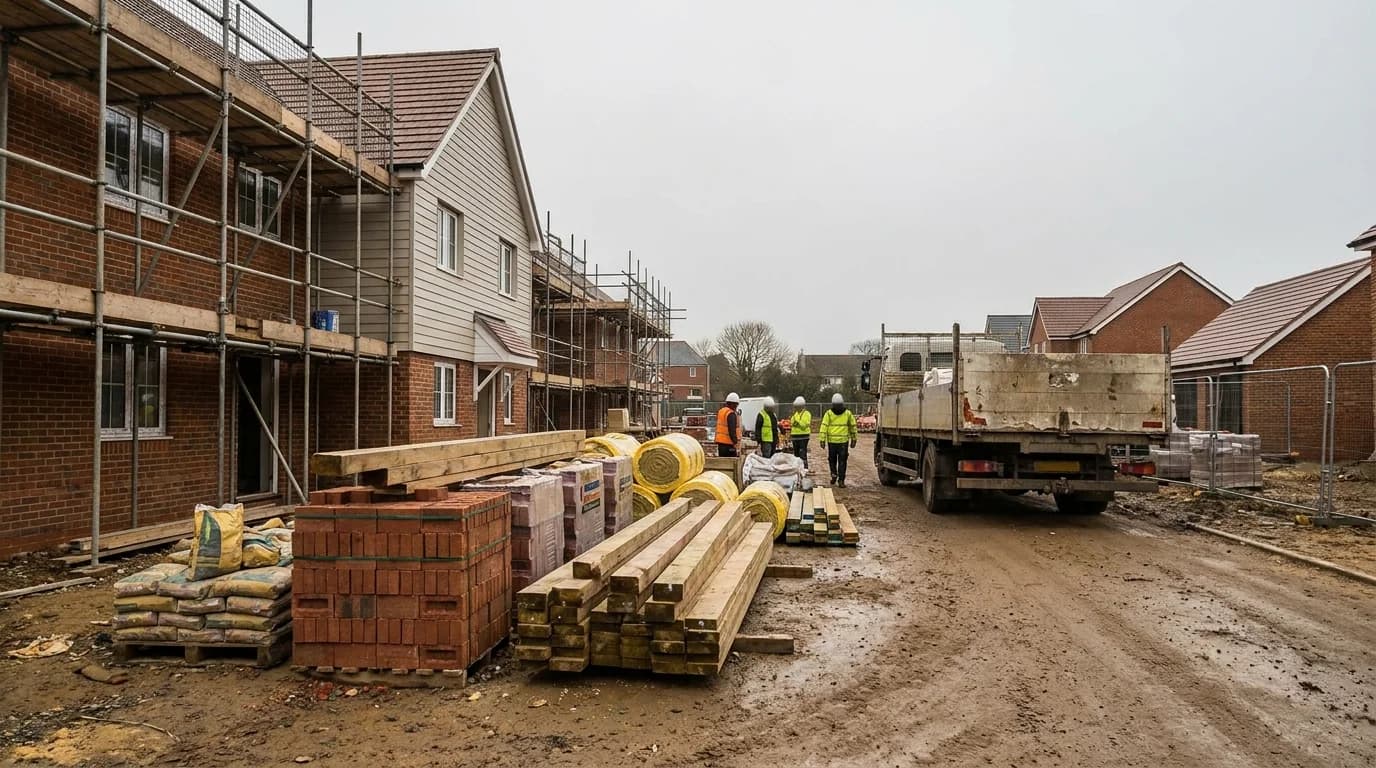
Should you buy materials or let your builder buy them?
Buying materials yourself can feel like a saving, but it can also cost you discounts, warranties and site time. Here is how to decide who should buy what.
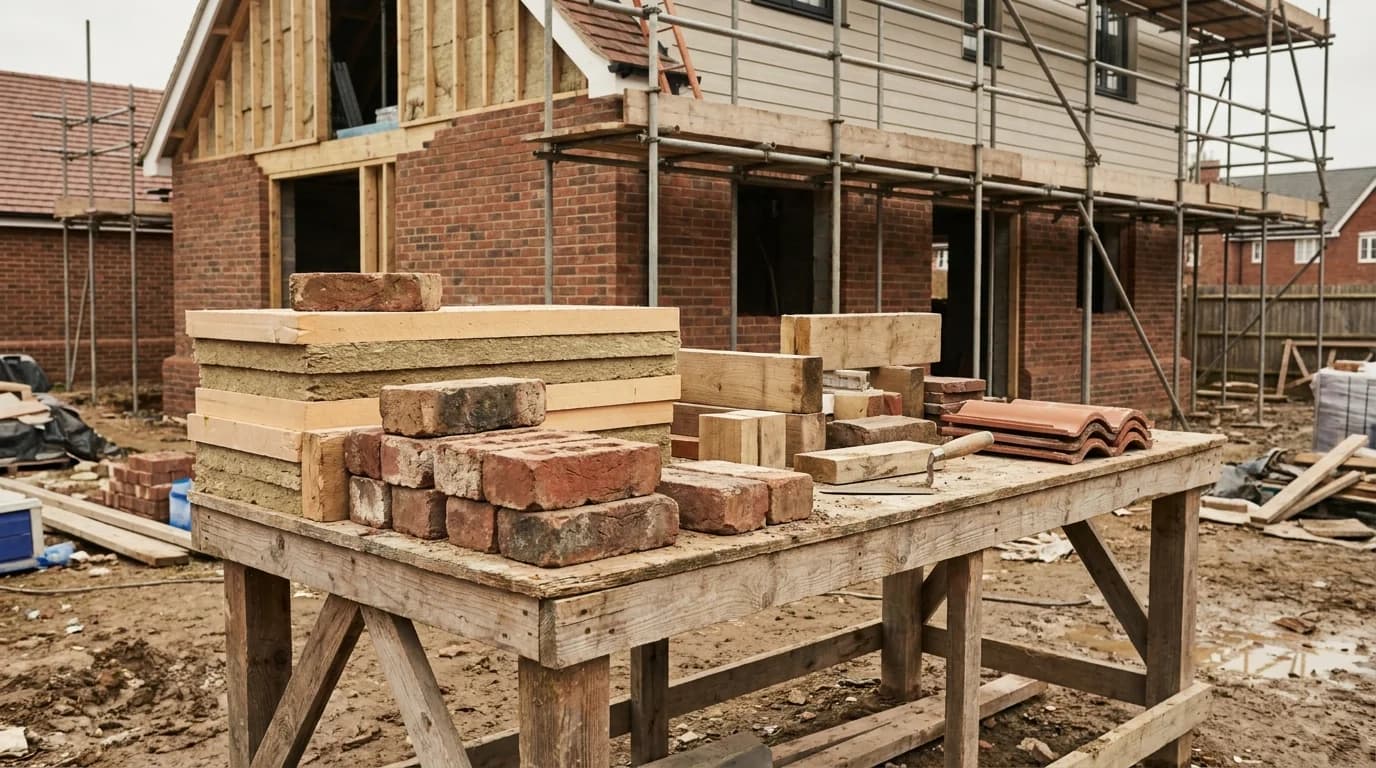
Choosing building materials: quality vs price
The cheapest materials are rarely the best value. Learn when to invest in quality, where to save money and how to avoid specification mistakes on your build.
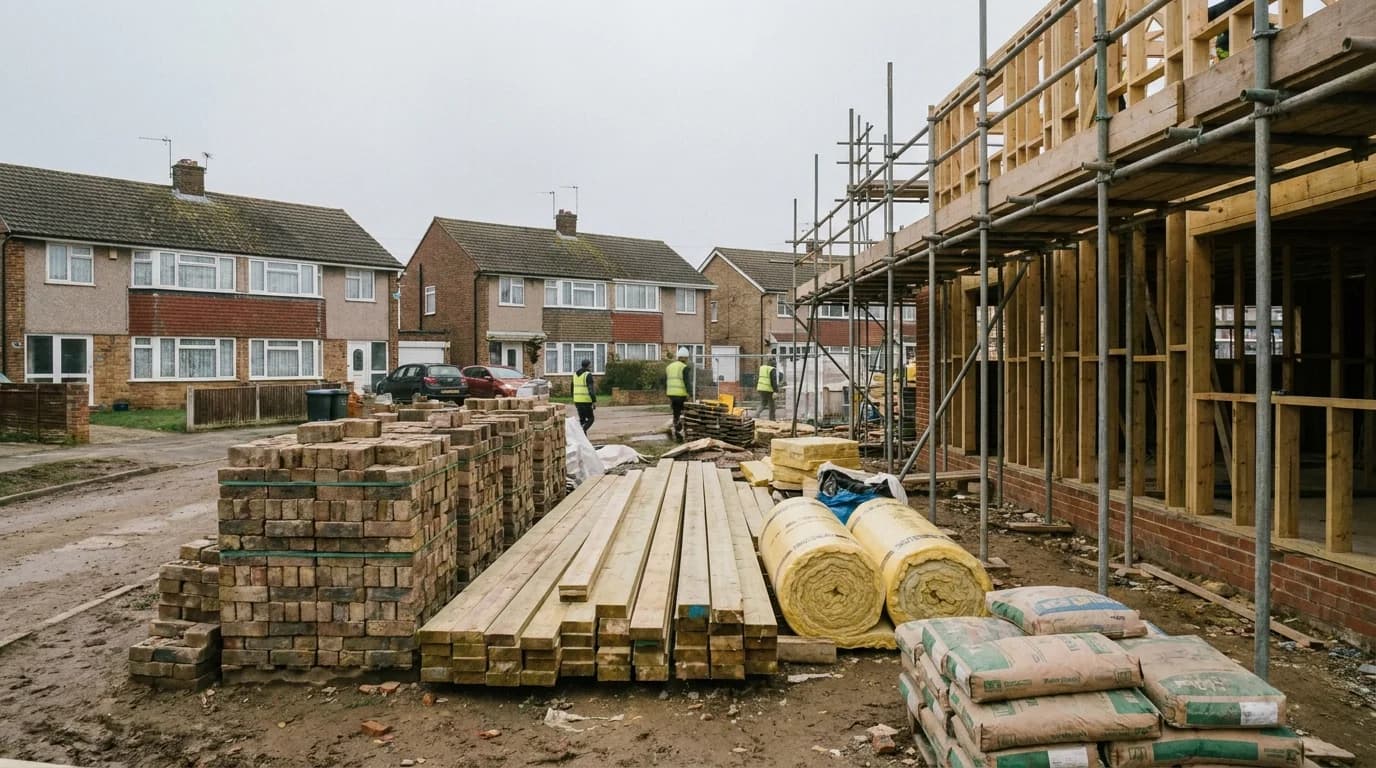
Why material prices matter before your first build
If you do not know what bricks, blocks, cement and timber actually cost, you cannot judge whether a quote is fair. Here is how to research material prices before your first build.
How to compare builder quotes line by line
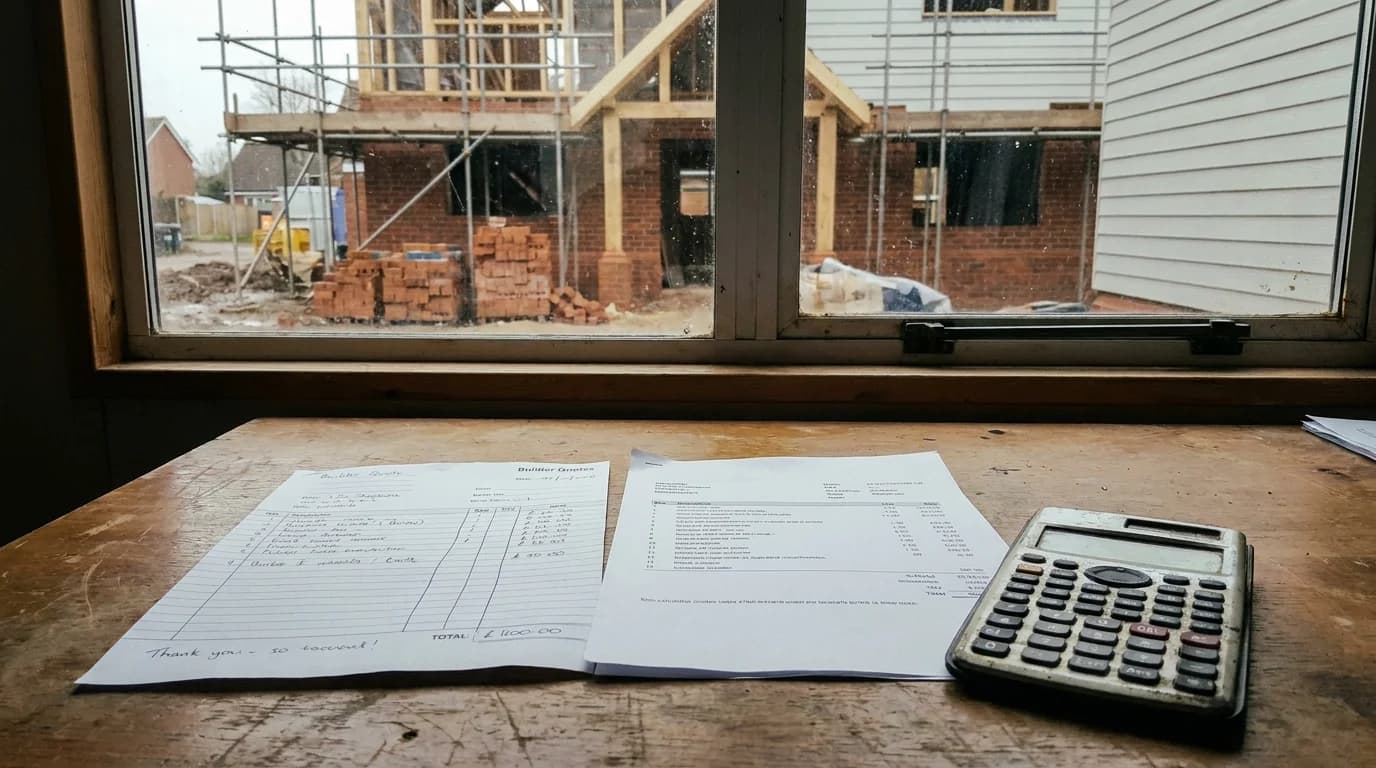
Comparing builder quotes is not about finding the lowest number. It is about making sure every builder is pricing the same scope, specification and terms.
Why buying building materials online can backfire
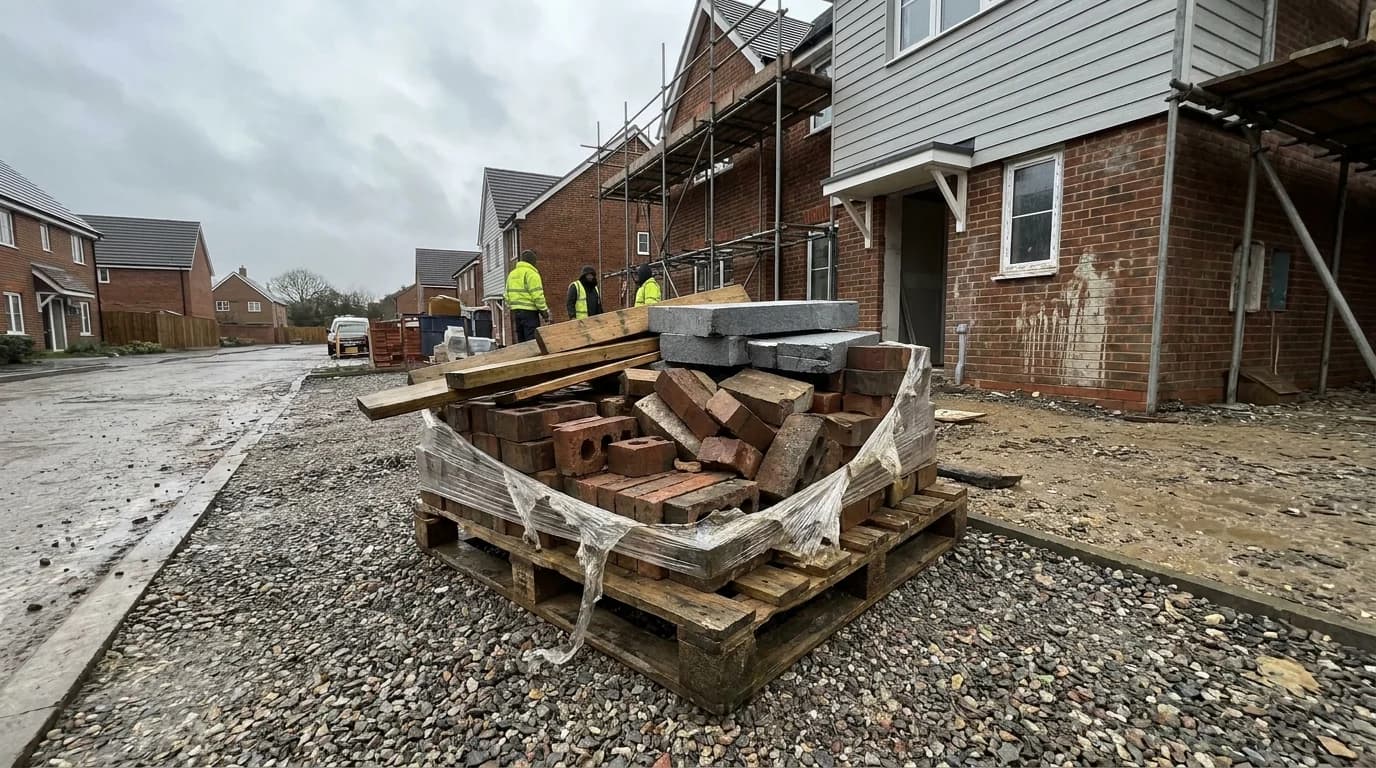
Online material prices look tempting, but hidden costs, wrong specifications and difficult returns can make them more expensive than a local merchant.