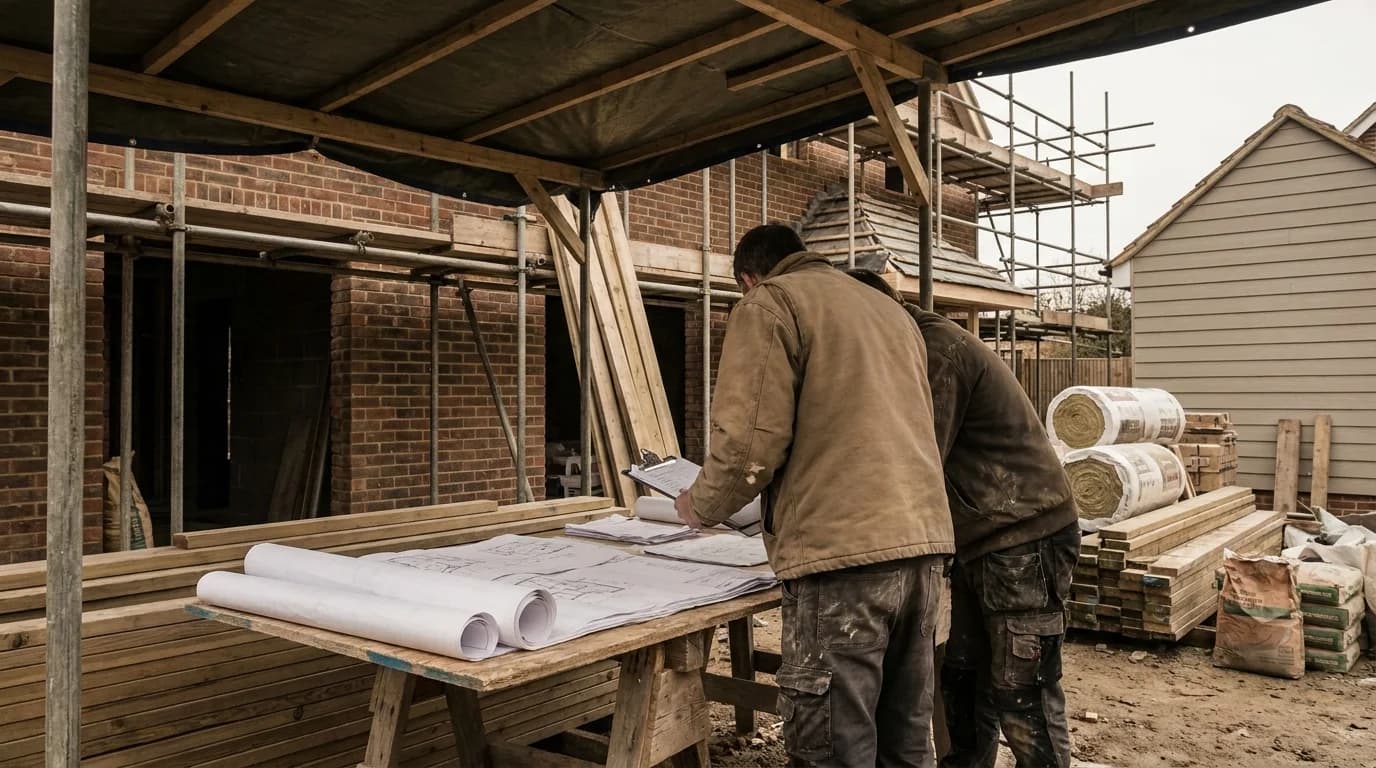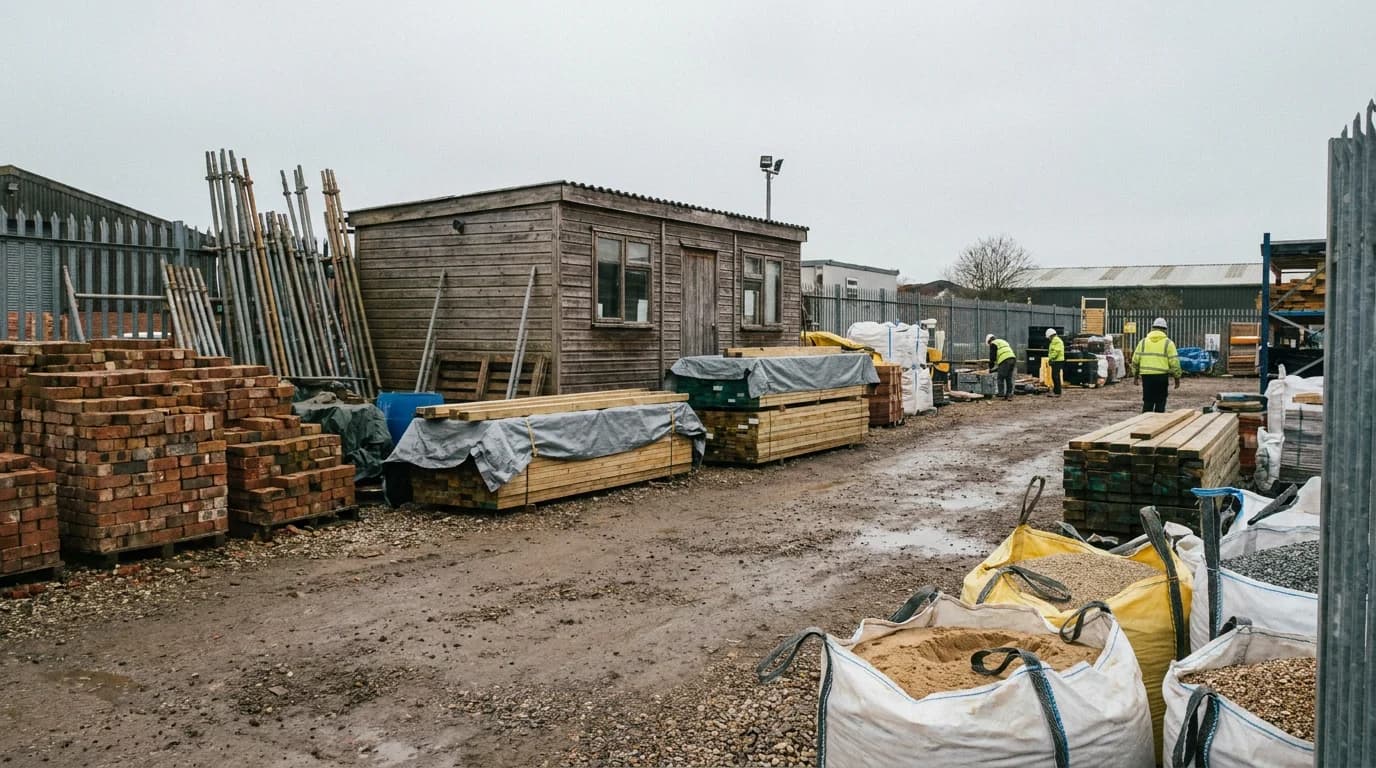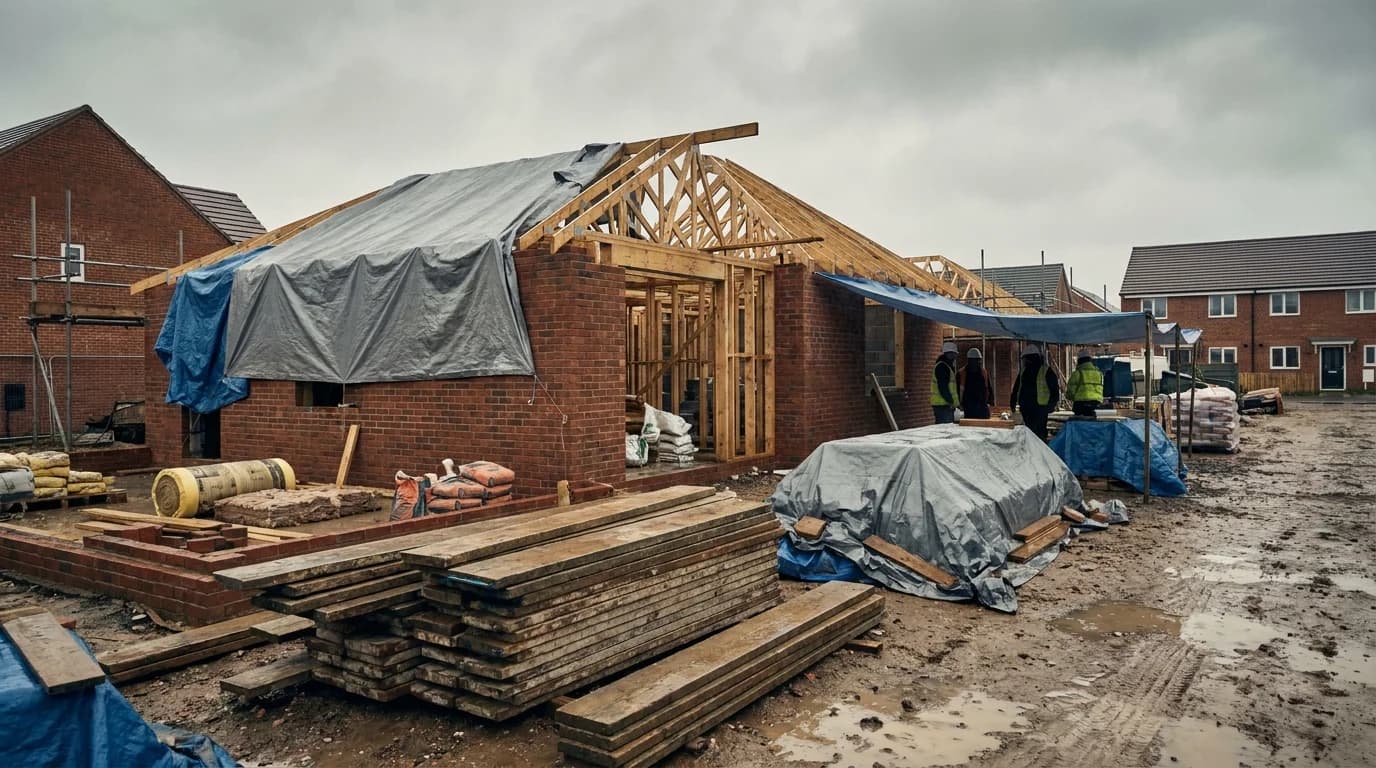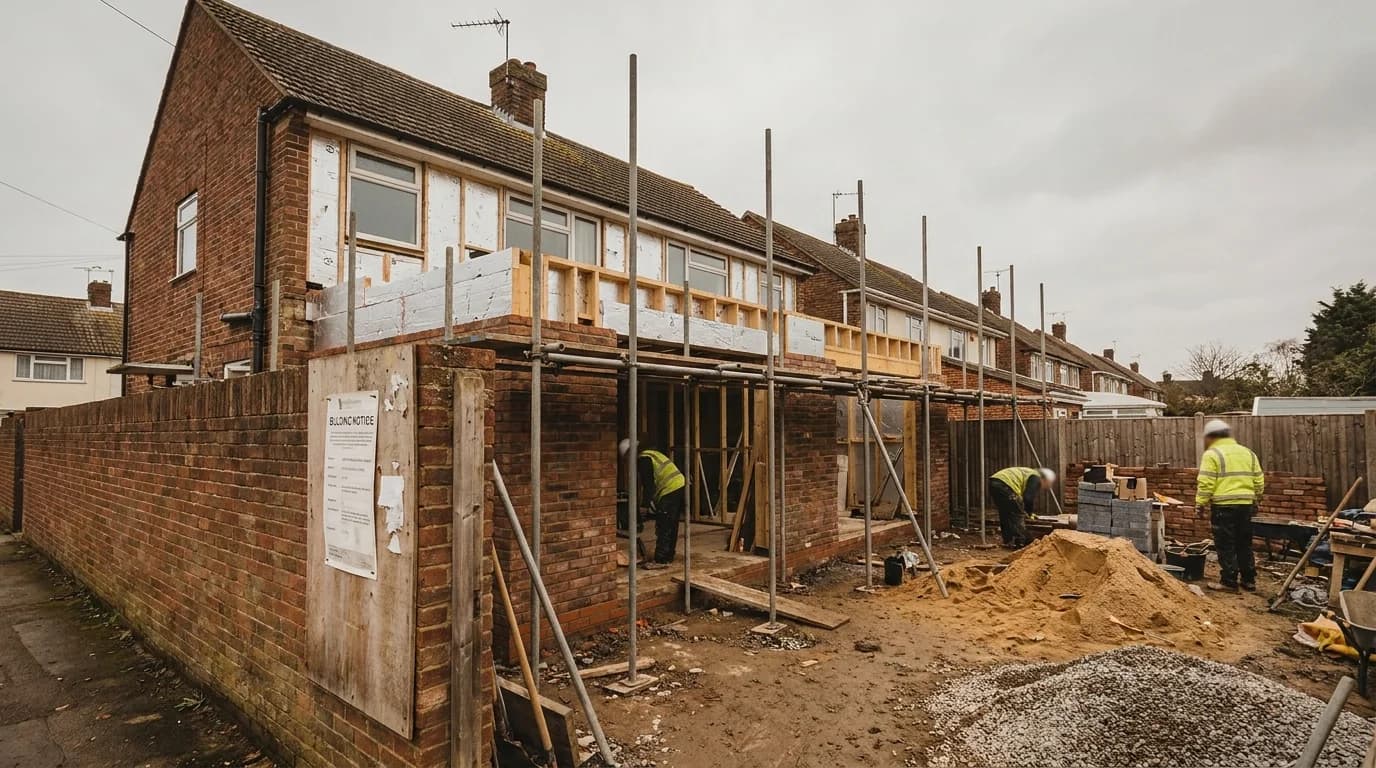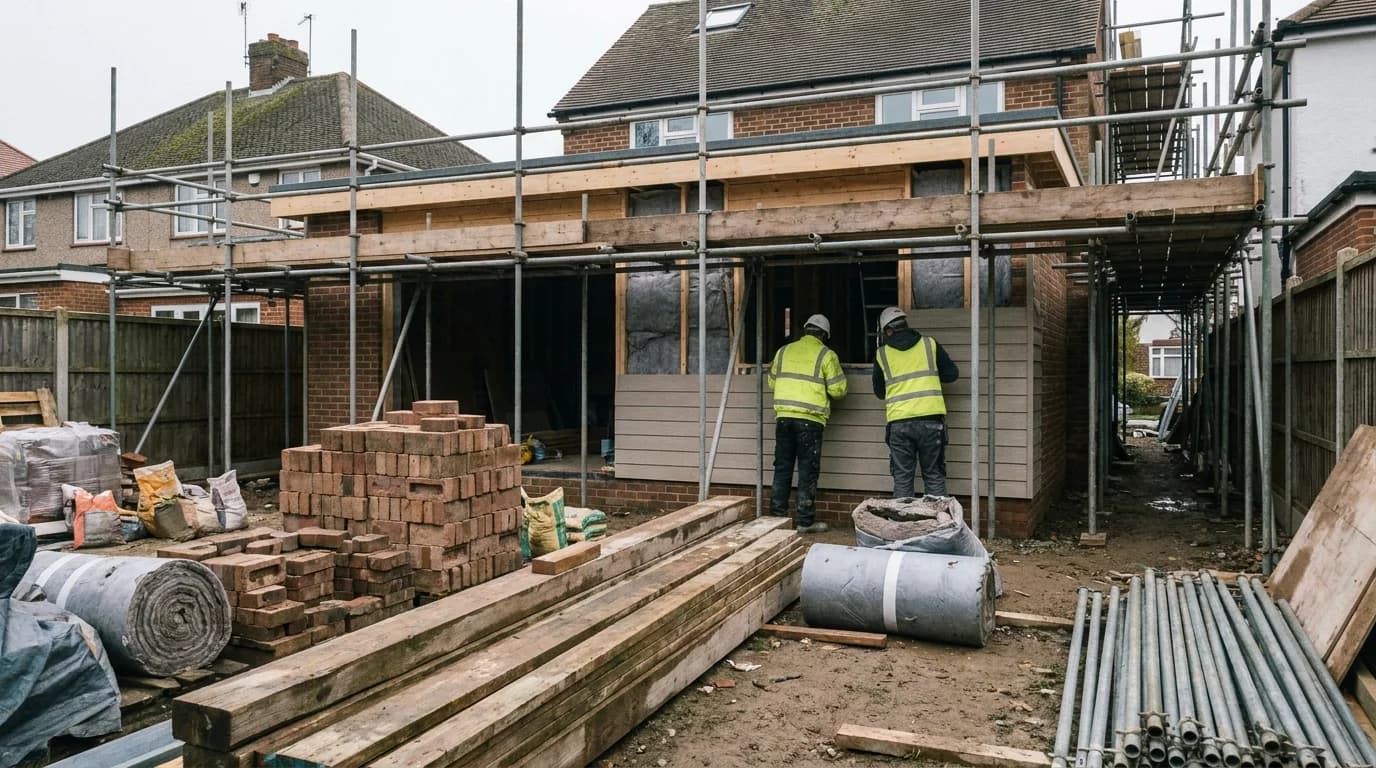

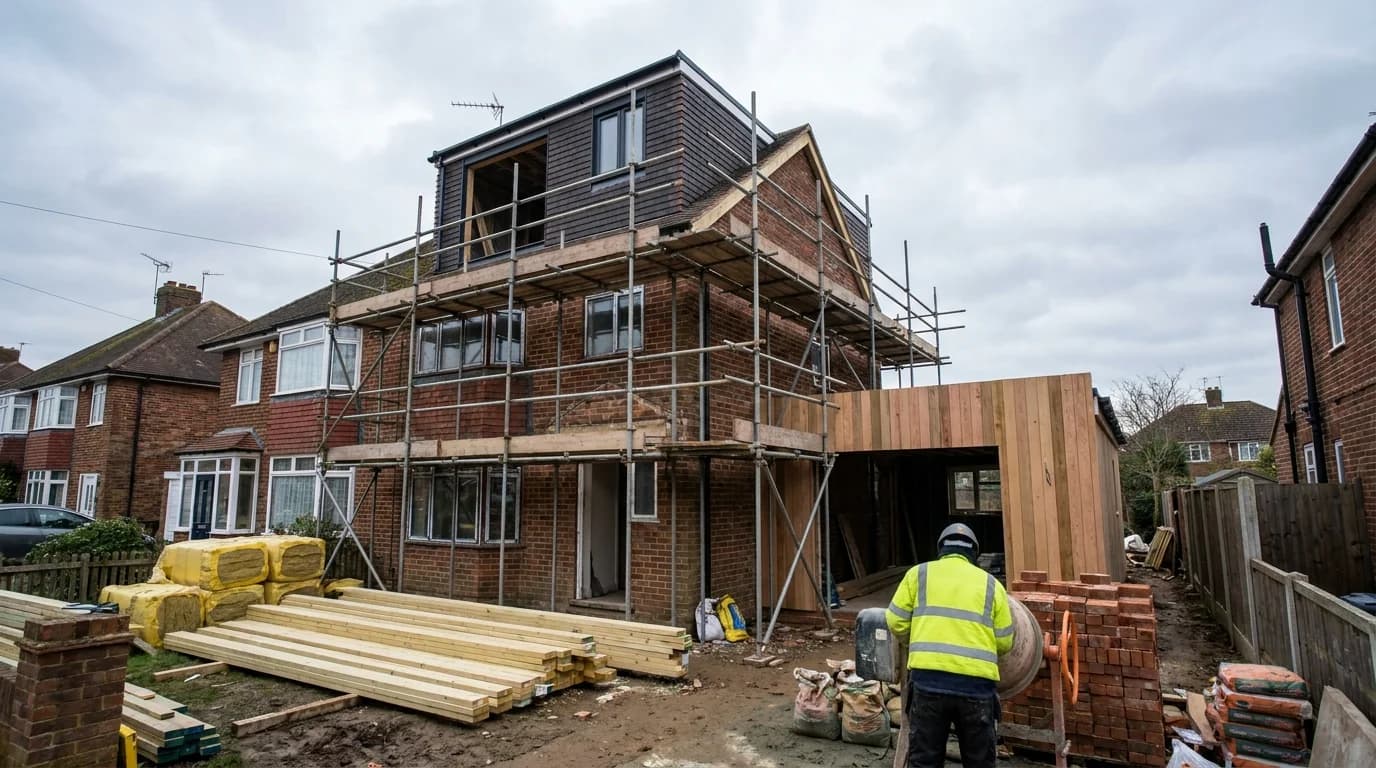
Extension vs loft conversion: which adds more value?
Extensions and loft conversions both add space and value, but they suit different homes and budgets. Here is how to choose the right option for your property.

Whether you are a first-time homeowner or a seasoned builder, our guides help you plan smarter, choose the right materials and avoid common pitfalls.
Showing 13–24 of 34 articles · page 2 of 3.
Tip: search and category filter refine the current page. Use pagination to see more.

Extensions and loft conversions both add space and value, but they suit different homes and budgets. Here is how to choose the right option for your property.

A written building contract protects both you and your builder. This guide explains the essential clauses every homeowner should look for before signing.

DIY chains are convenient for small jobs, but a local builders merchant usually offers better trade pricing, specialist stock and expert advice for serious projects.

Building delays are common, but they do not have to wreck your budget. A clear contract, good communication and a written record are your best protection.

If your project affects a shared wall or excavates near a neighbour's foundations, the Party Wall etc. Act 1996 may require you to serve formal notice before work starts.

Online material prices look tempting, but hidden costs, wrong specifications and difficult returns can make them more expensive than a local merchant.

The right questions reveal whether a builder is organised, honest and a good fit for your project. Here are fifteen to ask before you sign on the dotted line.

The cheapest materials are rarely the best value. Learn when to invest in quality, where to save money and how to avoid specification mistakes on your build.

Building regulations are separate from planning permission and apply to most structural work. This checklist explains what homeowners need to know before work starts.

Build costs are only part of the story. This guide breaks down realistic extension prices, hidden fees and how to budget for a project that does not run out of money.

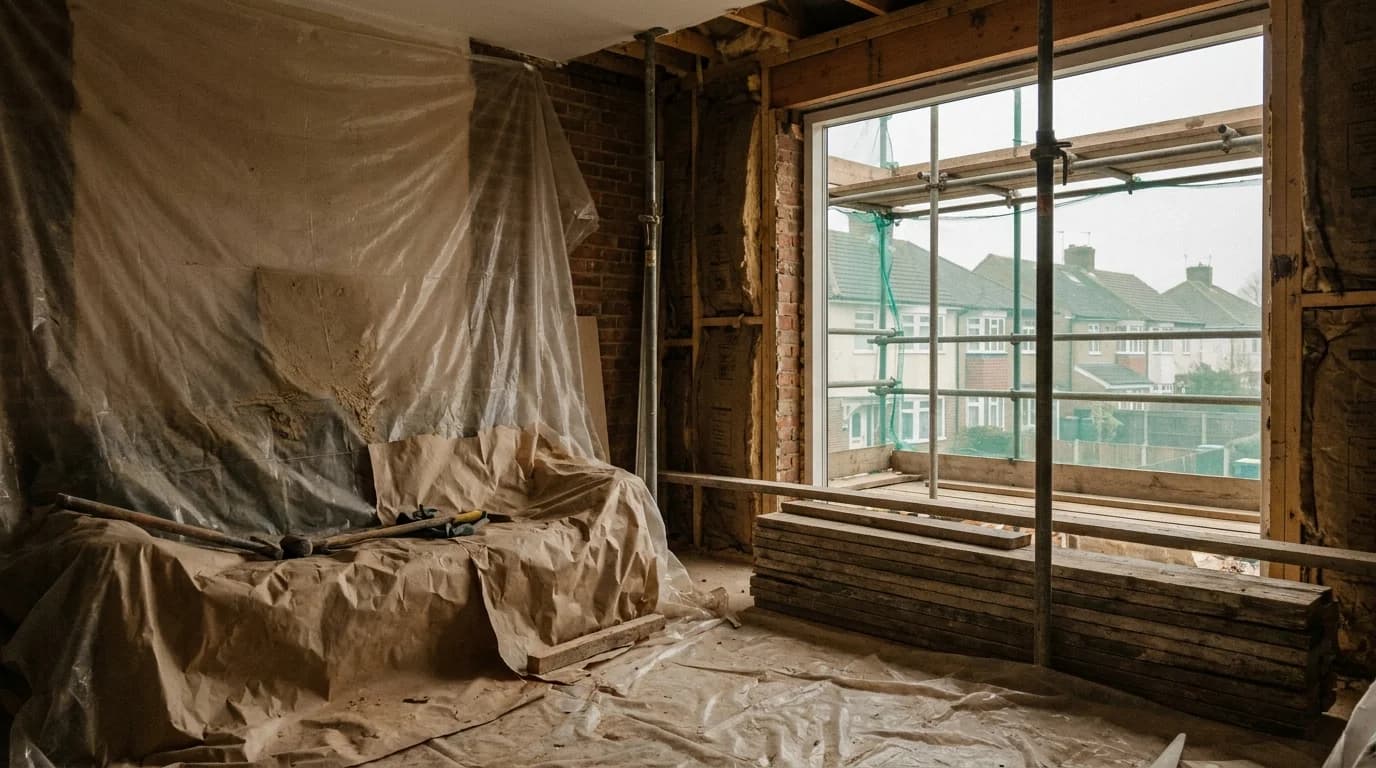
Clearing access routes, protecting floors and agreeing working hours before builders arrive can prevent delays, damage and disputes.

Paying your builder the right way protects your money and keeps the project moving. Here is how to structure deposits, staged payments and final balances.
Verify CSCS cards, check public liability insurance (£2m minimum), ask for 3 recent local references, take written quotes from at least 3 builders, and never pay more than 25% up front. Our advice articles cover each of these checks in detail.
A single-storey rear extension on a typical semi takes 8-12 weeks from breaking ground to completion. A two-storey extension takes 14-20 weeks. The longest phase is always groundworks and foundation curing — 4-6 weeks alone.
Most extension projects benefit from the homeowner sourcing the materials: trade-counter pricing on aggregates, bricks and timber is usually 20-30% below builder rate. The trade-off is time spent managing deliveries and check-ins. Our calculators and trade quotes can save you both ways.