
What should be in a building contract
A written building contract protects both you and your builder. This guide explains the essential clauses every homeowner should look for before signing.
- Category
- Contracts & payments
- Author
- Star Hawk Builders Merchant
- Date
- 18 September 2025
- Read time
- 6 min
Contracts & payments · Star Hawk Builders Merchant
A written building contract protects both you and your builder. This guide explains the essential clauses every homeowner should look for before signing.
6 min read · Published 18 September 2025
A handshake and a quote on the back of an envelope might feel friendly, but it is a risky way to start a building project. A proper written contract protects both you and your builder by making clear what is being built, how much it will cost and what happens if things change.
This guide explains the clauses every domestic building contract should include. Whether your project is a small renovation or a full extension, these are the terms that stop small disagreements from becoming expensive disputes.
Names, addresses and the site
The contract should identify:
- The full legal name and address of the homeowner.
- The full legal name, address and company number of the builder or contractor.
- The exact site address where the work will take place.
If the builder trades through a limited company, check the company details on Companies House. Make sure the person signing has authority to bind the company.
A clear description of the work
The contract should describe the work in enough detail that both parties understand the scope. This is usually called the scope of works or specification. It should cover:
- What is being built, altered or repaired.
- Which areas of the property are included.
- What finishes are included.
- What is explicitly excluded.
Vague phrases like "complete extension to agreed specification" cause problems later. The specification can be supported by drawings, schedules and product lists. These documents should be attached to the contract and labelled as part of the agreement.
The contract price
The price should be set out clearly. There are three common approaches:
- Fixed price. The builder agrees to do the work for a set amount. This gives you certainty, provided the scope does not change.
- Estimate. The builder gives an approximate figure. Final costs can be higher or lower depending on time and materials.
- Dayworks or cost plus. You pay for labour, materials and a markup. This is common for repair work where the full scope is unknown.
A fixed price is usually best for homeowners because it transfers cost risk to the builder. Make sure the contract states what is included in the price, such as VAT, skips, scaffolding and building control fees.
Payment terms and schedule
Payment terms should be fair and tied to progress. A typical schedule might look like this:
- Deposit on signing, limited to a small percentage.
- Payment after foundations are complete.
- Payment after structural shell is complete.
- Payment after first fix.
- Final payment on practical completion.
Avoid paying large sums upfront. You should also consider a retention, which holds back 3–5% of the contract sum for a short defects period after completion. Our guide on when and how to pay your builder explains this in detail.
Start date and completion date
Every contract should include:
- A start date or a mechanism for agreeing one.
- A completion date.
- A programme of works showing key stages.
- Grounds for extending time, such as bad weather or delays caused by the homeowner.
A completion date without a programme is less useful because it does not help you track progress along the way. For advice on managing delays, see our article on how to handle building delays.
Variations and changes
Almost every project changes once work starts. The contract should set out a clear variations procedure:
- Changes must be instructed in writing.
- The builder must provide a cost for the change before carrying it out.
- The homeowner must approve the cost in writing.
- The effect on the programme should be agreed at the same time.
Without this, arguments arise over whether an item was included in the original price and whether the builder should have warned you about extra costs.
Materials and workmanship
The contract should state the standard of materials and workmanship. This can be done by:
- Naming specific products or brands.
- Referring to British Standards or manufacturer instructions.
- Requiring work to comply with building regulations.
- Setting out a snagging and defects process.
A builder who refuses to specify materials or standards may be planning to use the cheapest option available.
Insurance and liabilities
Before work starts, confirm what insurance the builder holds. At a minimum, domestic builders should have:
- Public liability insurance to cover damage to people or property.
- Employers' liability insurance if they have staff.
- Contractors all-risk insurance to cover the works themselves.
- Professional indemnity insurance if they are providing design services.
Ask for certificates and check the expiry dates. Our guide on how to check a builder's insurance and qualifications covers this in more depth.
Warranties and guarantees
Find out what guarantees are offered. These might include:
- Builder's own warranty on workmanship, often 6–12 months for snagging and defects.
- Insurance-backed warranties from bodies such as NHBC or similar providers.
- Manufacturer warranties for windows, roofs, boilers and other products.
Make sure you receive the paperwork and understand what is covered.
Site access and working hours
The contract should cover:
- When the builder can access the site.
- Normal working hours.
- Rules about parking, noise and waste.
- Responsibility for protecting existing parts of the property.
- Arrangements for keys, alarms and pets.
Clear rules prevent daily friction and protect your relationship with neighbours.
Dispute resolution
No one wants to think about disputes at the start of a project, but it is sensible to agree a process. Options include:
- Negotiation between the parties.
- Mediation by an independent third party.
- Adjudication for construction contracts, which is a faster formal process.
- Court proceedings as a last resort.
A good contract may require the parties to attempt mediation before litigation. This can save time and money.
Termination
The contract should say when either party can end the agreement. Common grounds include:
- Material breach by the other party.
- Insolvency.
- Failure to pay or failure to proceed with the work.
- A prolonged suspension.
Make sure you understand the consequences of termination, including payment for work done to date and removal of materials from site.
Use a standard form of contract
If your builder does not have a contract, consider using a standard form. The Joint Contracts Tribunal publishes domestic building contracts that are widely used and respected. These forms cover most of the points above and give both parties a fair balance of risk.
For consumer advice on contracts and your rights, Citizens Advice is a useful resource. If you suspect unfair trading, contact Trading Standards.
Red flags in a building contract
Watch out for these warning signs:
- No written contract at all.
- Large upfront payments before work begins.
- No fixed price or unclear scope.
- Missing insurance details.
- No completion date or programme.
- Vague materials descriptions.
- One-sided terms that favour only the builder.
If you see any of these, ask for clarification or walk away. Our guide on how to compare builder quotes will help you evaluate offers before you reach contract stage.
Final thoughts
A building contract is not just paperwork. It is the roadmap for your project and your safety net if things go wrong. Take time to read it, ask questions and make sure everything important is written down.
If you are planning a project and need materials, request a quote from Star Hawk Builders Merchant, visit your nearest branch or explore our case studies to see the kind of builds we support.
Frequently asked questions
Do I need a written contract for building work?
Yes. A written contract sets out what will be done, for how much and by when. It is your main protection if something goes wrong.
Can I use a verbal agreement with my builder?
Verbal agreements are hard to enforce and lead to disputes over what was agreed. Always put the key terms in writing.
What payment terms should a building contract have?
Payments should be linked to completed stages, not calendar dates. Hold back a small retention until the end of defects period if possible.
Should a builder be insured?
Yes. Public liability insurance is essential. Larger projects should also have employers' liability, contractors all-risk and professional indemnity cover.
What happens if I want to change the work?
The contract should include a variations procedure requiring written instructions and agreement on cost before the change is carried out.
Need materials for your project?
Send us your material schedule and we'll come back with stock availability, a written quote and a delivery slot, usually within the hour during trade hours.
Related articles
More guides and advice to help your building project run smoothly.
How to compare builder quotes line by line
Comparing builder quotes is not about finding the lowest number. It is about making sure every builder is pricing the same scope, specification and terms.
When and how to pay your builder
Paying your builder the right way protects your money and keeps the project moving. Here is how to structure deposits, staged payments and final balances.
Why the cheapest builder quote often costs you more
A cheap quote is tempting, but it often hides missing items, lower specifications and future extras. Here is why the lowest price rarely means the best value.
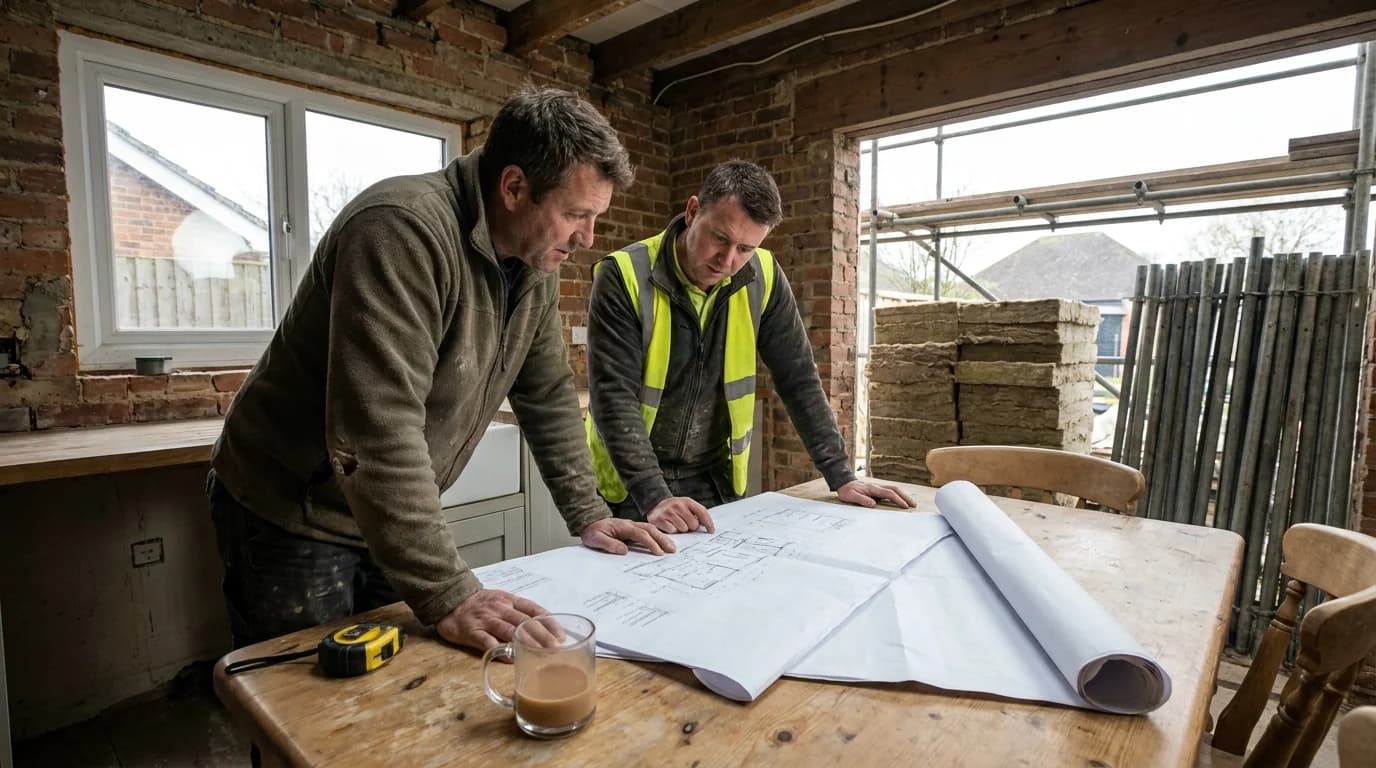
15 questions to ask before hiring a builder
The right questions reveal whether a builder is organised, honest and a good fit for your project. Here are fifteen to ask before you sign on the dotted line.
How to find the right builder for your project
Finding the right builder is the difference between a smooth project and a nightmare. Here is a practical vetting process that protects your money, your home and your sanity.
How to handle building delays without losing money
Building delays are common, but they do not have to wreck your budget. A clear contract, good communication and a written record are your best protection.