
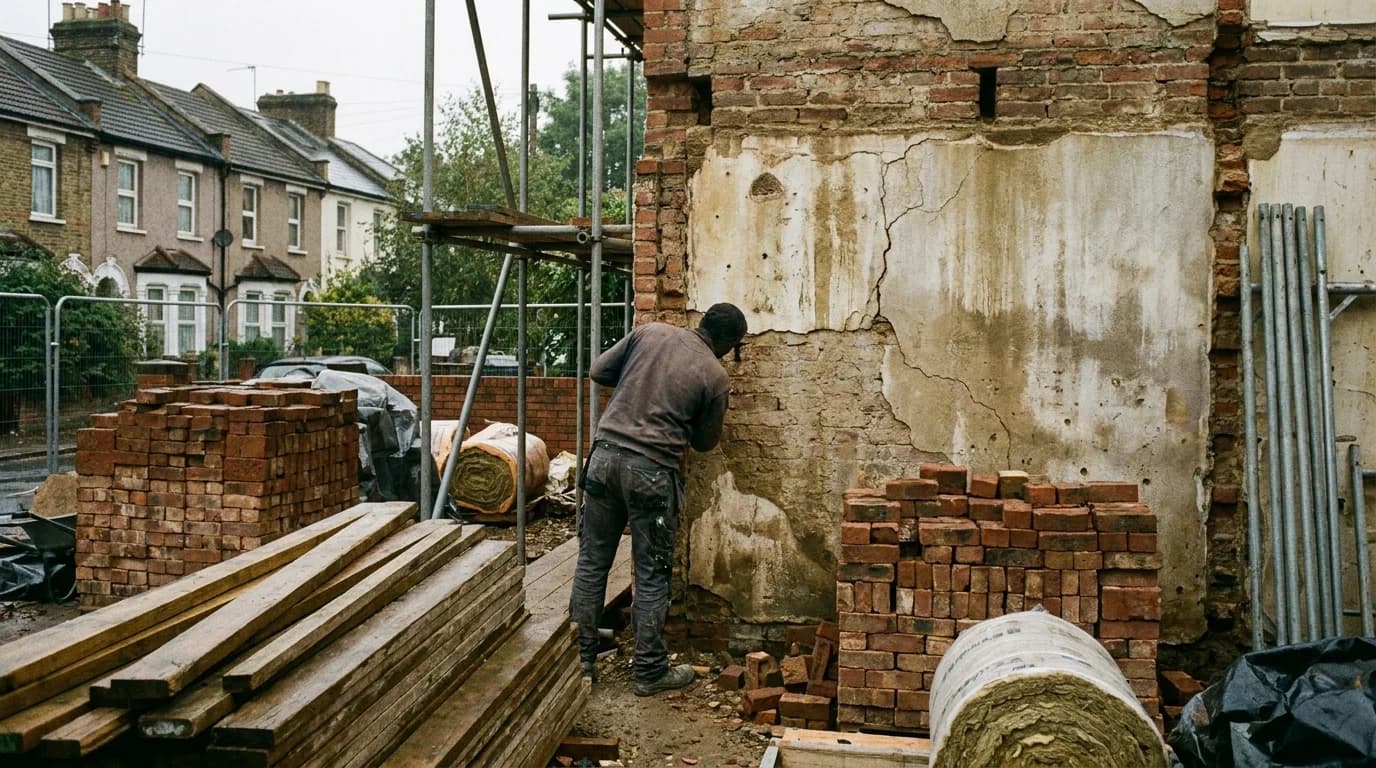
Can I withhold payment if the work is poor?
Withholding payment is sometimes justified, but doing it the wrong way can weaken your position. Here is how to protect yourself legally and practically.
- Category
- Contracts & payments
- Author
- Star Hawk Builders Merchant
- Date
- 17 September 2026
- Read time
- 6 min
Contracts & payments · Star Hawk Builders Merchant
Withholding payment is sometimes justified, but doing it the wrong way can weaken your position. Here is how to protect yourself legally and practically.
6 min read · Published 17 September 2026
Poor workmanship is one of the most stressful problems a homeowner can face. When the work is not up to standard, the instinct is often to stop paying. That instinct is understandable, but withholding payment without following the right process can backfire and weaken your legal position.
This guide explains when you can withhold payment, how much is reasonable and what steps to take first. For advice on payment terms, read our guide to when and how to pay your builder.
Your legal position
Under UK consumer law, building work must be carried out with reasonable care and skill, within a reasonable time and for a reasonable price. Materials must be of satisfactory quality and fit for purpose. If the builder fails to meet these standards, you have rights.
However, your contract is the first place to look. It should set out payment terms, defects procedures and dispute resolution. If you withhold payment in a way that breaches the contract, you may be sued for the money owed.
When withholding payment may be justified
Withholding payment is usually justified when:
- The work is seriously defective.
- The work is incomplete and the builder has abandoned the site.
- The builder has overcharged beyond the agreed contract sum.
- Materials supplied do not match the agreed specification.
- The builder has failed to correct defects within a reasonable time.
Even when justified, you must act reasonably. The law generally expects you to give the builder an opportunity to put things right before you withhold money.
How much can you withhold?
The amount you withhold should reflect the cost of remedying the defect or completing the work. This is sometimes called a set-off or abatement.
For example, if poor plastering means £2,000 of remedial work, withholding £2,000 may be reasonable. Withholding the entire £40,000 contract sum because of a £2,000 defect is not.
If you are unsure of the cost, get a written quote from another builder or tradesperson for the remedial work. This gives you evidence of a reasonable figure.
Steps to take before withholding payment
Document the defects
Take photographs and videos. Make notes describing the problem, when it was discovered and why it matters. Keep copies of emails, texts and meeting notes.
Notify the builder in writing
Write to the builder explaining the problem and what you want them to do. Set a reasonable deadline for putting it right. Keep a copy of everything you send.
Check your contract
Look at the payment schedule, defects clause and dispute procedure. Some contracts require mediation or adjudication before court action.
Get independent advice if needed
For significant defects, consider instructing a surveyor or structural engineer to prepare a report. This strengthens your position and may be useful in court or adjudication.
Consider a retention
A well-drafted contract should include a retention, holding back 3–5% of the contract sum for a short defects period after completion. This gives you leverage without withholding the full amount.
What not to do
- Do not withhold payment secretly. You must tell the builder why and how much.
- Do not withhold money for minor issues. This looks unreasonable and may breach your contract.
- Do not refuse access for the builder to put things right. You must give them a reasonable chance to remedy defects.
- Do not rely on verbal complaints. Put everything in writing.
- Do not stop paying for unrelated work. If the foundations are fine, do not withhold the foundation payment because you are unhappy with the plastering.
The value of independent inspections
For major projects, it can be worth instructing an independent clerk of works or surveyor to inspect the work at key stages. They can identify defects before they are covered up and provide an impartial report if a dispute arises. Their findings carry weight in negotiations, mediation or court proceedings.
An independent inspection costs money, but it is often cheaper than fixing serious defects later or becoming embroiled in a long dispute. It is particularly valuable for structural work, foundations, waterproofing and roofing.
Common scenarios and how to handle them
The finish is poor but the structure is sound
Cosmetic defects such as uneven plaster, poor paintwork or badly fitted skirting should be put right by the builder during the defects period. Document the issues, agree a return date and inspect the remedial work. These problems rarely justify withholding large sums.
A leak appears after completion
Water ingress is more serious. Contact the builder immediately, take photographs and protect your belongings. If the builder does not respond quickly, you may need an independent roofer or surveyor to identify the cause. The repair cost can form the basis of a withheld payment or claim.
The builder abandons the site
If the builder stops attending and will not complete the work, document what has been done and what remains. Get quotes from other builders to finish the job. The difference between the original contract price and the cost of completion may be the amount you can withhold or claim.
The final invoice does not match the quote
If the builder invoices for work not agreed or variations not approved in writing, challenge the invoice before paying. Your contract should require written approval for any extra cost.
If the builder refuses to fix the work
If the builder will not return or disputes the defect, your options include:
- Negotiation. Try to reach an agreement directly.
- Mediation. An independent mediator helps both sides find a solution. It is cheaper and faster than court.
- Adjudication. Construction contracts often allow statutory adjudication, a quicker formal process.
- Court. As a last resort, you can sue for breach of contract or negligence.
- Trading Standards or Action Fraud. If the builder is unregistered, uninsured or deliberately fraudulent, report them.
For consumer advice, Citizens Advice is a useful resource. For suspected fraud, contact Action Fraud.
Protecting yourself from the start
The best way to avoid payment disputes is to have a clear contract from the beginning. Make sure it includes:
- A detailed scope of works.
- Stage payments linked to completed work.
- A defects period and retention.
- A procedure for variations.
- A dispute resolution clause.
Our guide on what to include in a building contract covers these points in detail.
Retentions: a better way to hold money back
Instead of withholding payment after a dispute, consider agreeing a retention in the original contract. A retention holds back 3–5% of the contract sum for a short defects period after completion. This creates a pool of money the builder can access once snags are resolved, without the confrontation of a sudden payment refusal.
Final thoughts
Withholding payment can be a legitimate response to poor work, but it must be done carefully and proportionately. Document everything, communicate in writing, give the builder a chance to put things right and only withhold an amount that reflects the actual loss.
If you are planning a project and want to avoid these problems, request a quote from Star Hawk Builders Merchant, find your nearest branch or read our case studies to see the quality of projects we support.
Frequently asked questions
Can I legally withhold payment from my builder?
You may be able to withhold payment if the work is defective, incomplete or not as agreed, but you must act reasonably and follow your contract.
How much can I withhold?
Only withhold an amount that reflects the cost of putting the defect right. Withholding more than is reasonable can be seen as a breach of contract.
What should I do before withholding payment?
Document the defects, notify the builder in writing, give them a chance to put things right and check your contract's dispute procedure.
Can a builder take me to court for non-payment?
Yes. If you withhold payment without good reason, the builder can pursue you through the courts or use statutory adjudication.
Need materials for your project?
Send us your material schedule and we'll come back with stock availability, a written quote and a delivery slot, usually within the hour during trade hours.
Related articles
More guides and advice to help your building project run smoothly.
What should be in a building contract
A written building contract protects both you and your builder. This guide explains the essential clauses every homeowner should look for before signing.

When and how to pay your builder
Paying your builder the right way protects your money and keeps the project moving. Here is how to structure deposits, staged payments and final balances.
How to compare builder quotes line by line
Comparing builder quotes is not about finding the lowest number. It is about making sure every builder is pricing the same scope, specification and terms.
What warranty should a builder give?
Builder warranties protect you if defects appear after completion. Understand what to expect, what to ask for and which warranties really matter.
How to handle building delays without losing money
Building delays are common, but they do not have to wreck your budget. A clear contract, good communication and a written record are your best protection.