
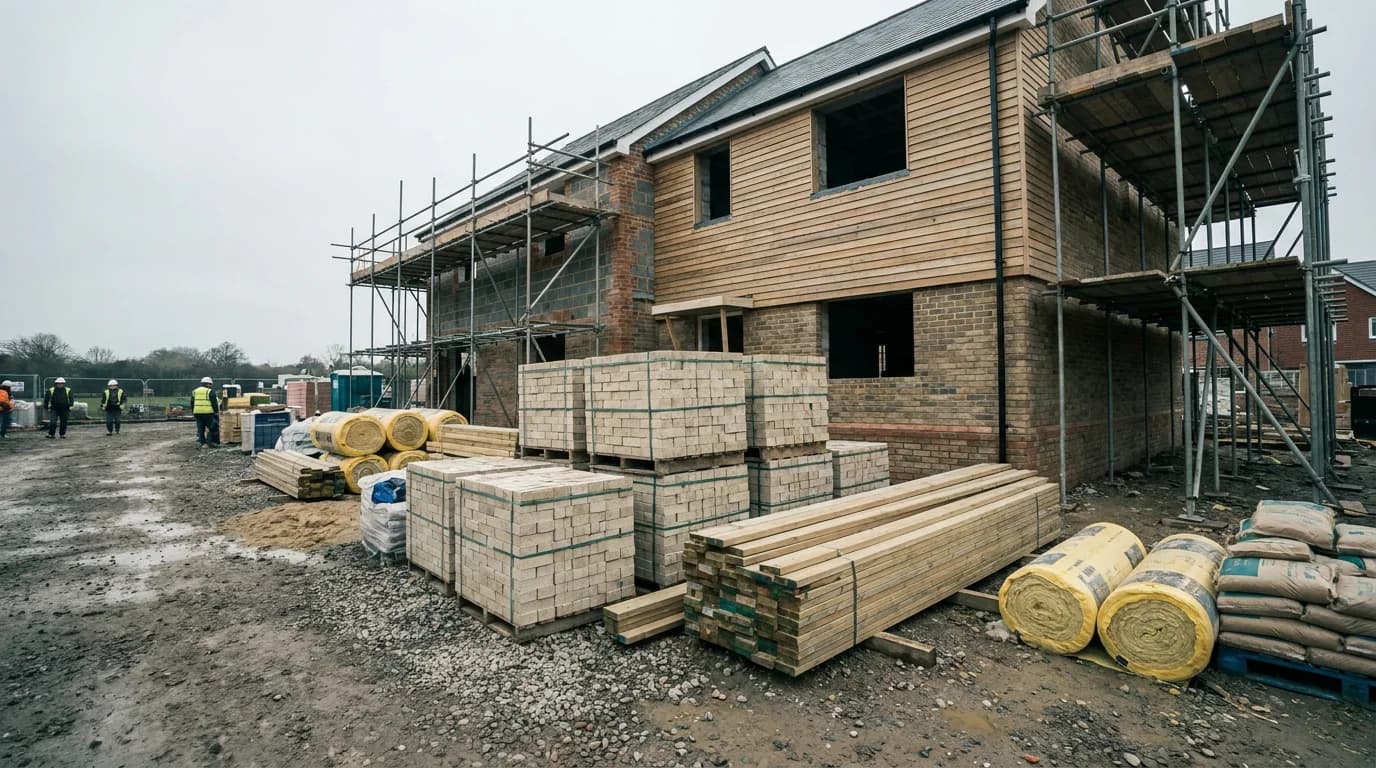
What building materials should you never buy cheap?
Some materials are worth saving on. Others will cost you far more if you choose the cheapest option. Here is where to invest.
- Category
- Materials & sourcing
- Author
- Star Hawk Builders Merchant
- Date
- 13 August 2026
- Read time
- 5 min
Materials & sourcing · Star Hawk Builders Merchant
Some materials are worth saving on. Others will cost you far more if you choose the cheapest option. Here is where to invest.
5 min read · Published 13 August 2026
Every building project has a budget, and it is natural to look for savings. Some materials are fine to buy at the lower end of the market. Others are false economies. Spending less upfront on the wrong product can lead to failure, costly repairs and even safety risks.
This guide explains which building materials you should never buy cheap, why quality matters and where the real savings are found. For competitive prices on quality materials, request a quote from Star Hawk Builders Merchant or visit your nearest branch.
The difference between value and cheap
Value means getting the right product for the job at a fair price. Cheap means paying less without considering whether the product is suitable. A value product meets the specification and lasts. A cheap product often fails early or performs poorly.
The key is knowing which products perform hidden work and which are easy to replace later.
Materials you should never buy cheap
Foundations and concrete
Concrete and reinforcement are the least visible but most important parts of a building. Weak concrete, insufficient reinforcement or the wrong aggregate mix can cause settlement cracks, damp and structural failure.
Always use concrete mixed to the correct strength class, such as C25/30 or as specified by your engineer. Buy from reputable ready-mix suppliers and keep delivery tickets as proof.
Damp-proof membranes and courses
A failed damp-proof course or membrane can cause rising damp, mould and timber rot. These problems are expensive to fix because the solution usually involves removing finishes and excavating.
Use quality DPC, DPM and tanking products from recognised manufacturers. Install them exactly to specification.
Structural timber and steel
Structural timber must meet the right strength grade, such as C16 or C24, and be properly treated for the environment. Cheap timber with the wrong grade or inadequate treatment can sag, twist or rot.
Steel beams, lintels and connectors must be specified by a structural engineer and sourced from reputable suppliers. Never substitute structural steel without approval.
Insulation
Cheap insulation can create cold bridges, condensation and poor energy performance. It may also fail building regulations or fail to deliver the U-values shown on drawings.
Choose insulation with the right thermal performance, thickness and fire rating for the application. Keep manufacturer's data sheets for building control. Fire safety guidance is available from GOV.UK building regulations approval.
Roofing membranes and battens
A roof leak can cause thousands of pounds of damage to ceilings, walls and electrics. Cheap roofing felt, breathable membranes or battens can fail within a few years.
Use branded membranes with proper warranties and battens treated to the correct use class. Pay attention to laps, overlaps and fixing details.
Windows and doors
Budget windows and doors may have poor seals, weak frames, low security and short lifespans. They can also reduce energy efficiency and increase noise.
Look for reputable manufacturers, good U-values, secure locking and proper installation. A slightly more expensive window often pays for itself in comfort and durability.
Waterproofing and tanking
Basements, wet rooms and external waterproofing must keep water out for decades. Cheap tanking systems or poorly specified membranes can fail and cause major damage.
Use systems designed for the specific application and install them according to manufacturer instructions.
Electrical components
Cheap sockets, switches, cable and consumer units can overheat, fail or create fire risks. Electrical work must comply with Part P of the building regulations.
Always use branded electrical products from reputable suppliers. Ask your electrician to certify the installation.
Plumbing and heating
Cheap pipework, fittings, boilers and radiators can leak, corrode or fail prematurely. A burst pipe can cause extensive water damage.
Use quality branded products and have them installed by a qualified plumber or heating engineer. Gas work must be carried out by a Gas Safe Register engineer.
Fixings, adhesives and sealants
Small items cause big problems when they fail. Cheap screws can shear, weak adhesives can fail and poor sealants can leak. These failures are frustrating and expensive to put right.
Use reputable fixings matched to the substrate and application. Do not guess.
Where you can save money
Not every material needs to be top of the range. Savings are usually safe in areas such as:
- Decorative finishes where taste matters more than performance.
- Standard plasterboard in non-specialist locations.
- Generic paints and primers from reputable suppliers.
- Temporary protection and site consumables.
- Some standard bricks and blocks where the specification is straightforward.
The savings come from shopping smart, buying at the right time and avoiding waste, not from buying unsuitable products.
The hidden cost of cheap materials
Cheap materials often cost more over the life of a building. Consider the true cost:
- Replacement cost. Cheap products fail sooner and need replacing.
- Labour cost. Removing and replacing a failed product often costs more than the product itself.
- Disruption. Living with repairs is stressful and inconvenient.
- Damage. A failed membrane or fixing can damage other parts of the building.
- Compliance. Substandard products may fail building control, causing delays and rework.
How merchants help you avoid cheap mistakes
A good builders' merchant does more than supply materials. They can spot when a product is unsuitable, suggest alternatives and explain the difference between budget and professional-grade options. If a price seems unusually low, ask why. It may be end-of-line stock, or it may be a lower-grade product that will not perform as expected.
Buying from a merchant with technical knowledge also makes it easier to return incorrect items and resolve problems. That support is worth more than the small saving from an anonymous online seller.
Warranties and after-sales support
Quality products usually come with proper warranties and technical support. If a branded window fails, the manufacturer has a reputation to protect and a process for replacement. If a no-name product fails, you may struggle to find anyone willing to take responsibility. This is especially important for items that are difficult and expensive to replace, such as boilers, windows and roofing membranes.
How to choose quality without overspending
- Read the specification. Know what grade, standard or performance you need.
- Ask your builder or merchant. Experienced suppliers can recommend reliable products.
- Check certifications. Look for CE or UKCA marking, British Standards and manufacturer warranties.
- Compare like for like. A cheaper product may have lower performance.
- Buy from reputable sources. Counterfeit and substandard products are more common online.
Our guide to why online building materials can fail you explains the risks of buying from unverified sellers.
Read the material schedule
A good builder will provide a material schedule listing the products they intend to use. Read it carefully and question any vague descriptions. Our guide on how to read a material schedule will help.
Final thoughts
Quality building materials are not about luxury. They are about durability, safety and peace of mind. Invest in the products that are hard to replace, buried, structural or safety-critical. Save money on finishes and temporary items instead.
For quality materials at fair prices, request a quote from Star Hawk Builders Merchant, find your nearest branch or browse our case studies to see the materials we supply.
Frequently asked questions
Is it ever okay to buy cheap building materials?
Yes, for temporary work, non-structural items or where the specification is genuinely the same. Never cut corners on safety-critical or buried materials.
What is the most expensive material to get wrong?
Foundations, damp-proofing and waterproofing are often the most expensive to put right because they are buried or hard to access later.
Can cheap insulation cause problems?
Yes. Poor insulation can lead to cold bridging, damp, condensation and higher energy bills. It may also fail building regulations.
Should I buy branded or generic fixings?
For critical structural fixings, use reputable branded products with proper certification. Generic fixings may be fine for light-duty work.
Need materials for your project?
Send us your material schedule and we'll come back with stock availability, a written quote and a delivery slot, usually within the hour during trade hours.
Related articles
More guides and advice to help your building project run smoothly.
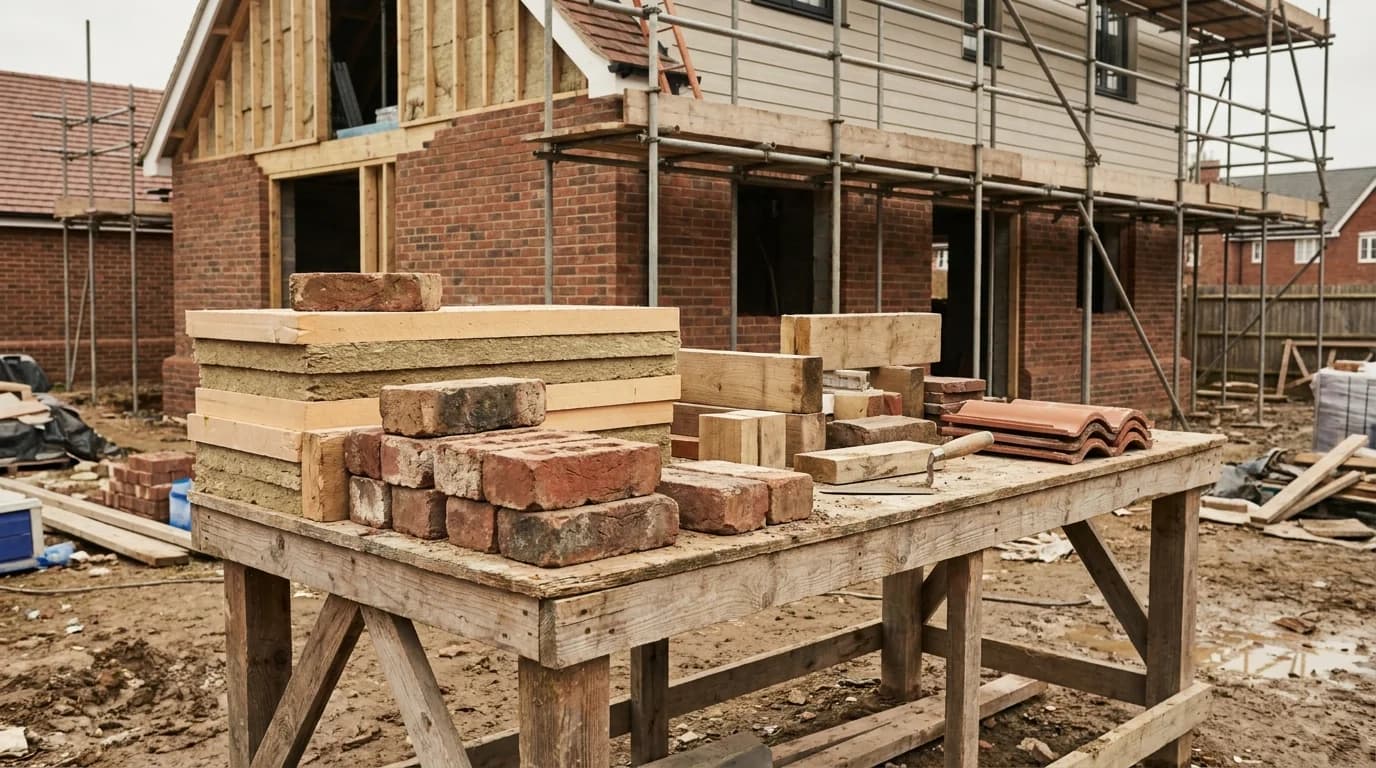
Choosing building materials: quality vs price
The cheapest materials are rarely the best value. Learn when to invest in quality, where to save money and how to avoid specification mistakes on your build.
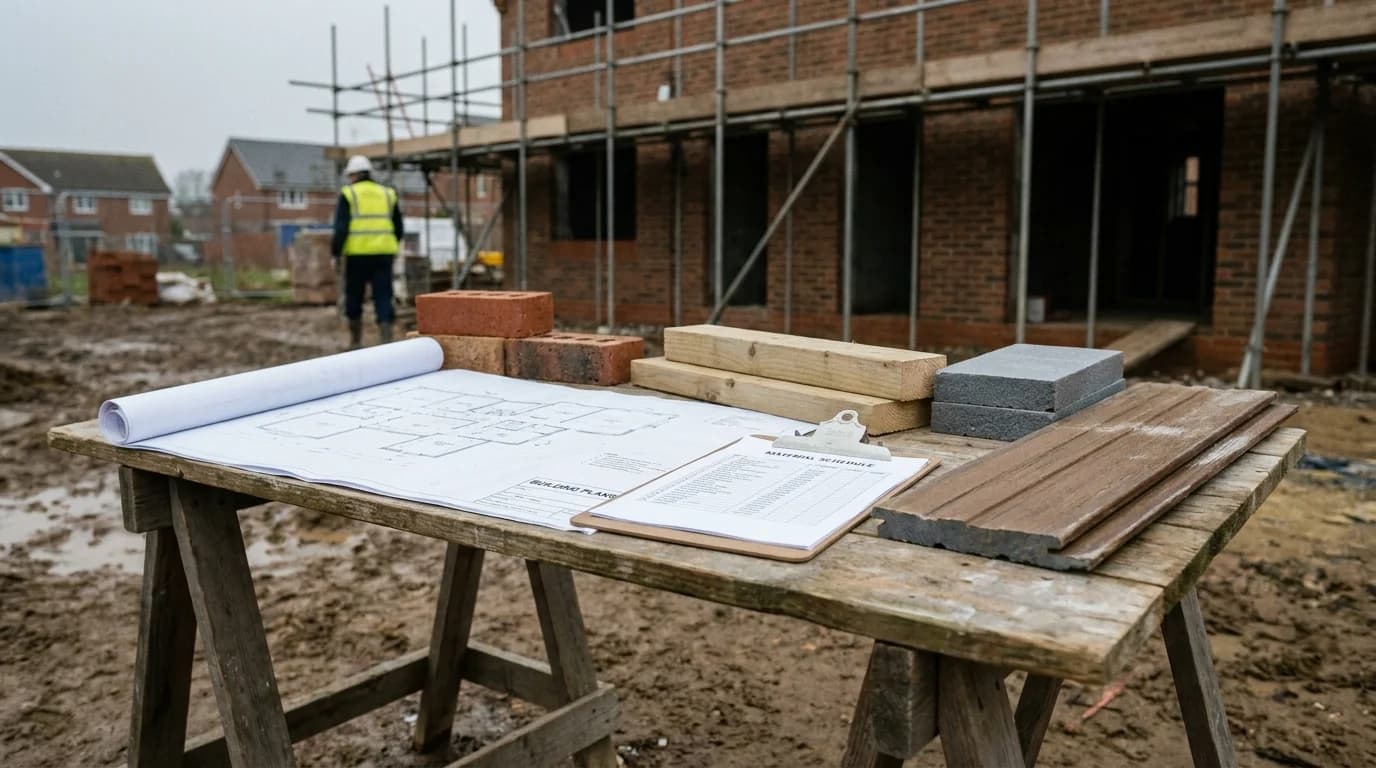
How to read a material schedule from your builder
A material schedule tells you exactly what products your builder will use. Learning to read it helps you compare quotes and avoid substitutions.
Why buying building materials online can backfire
Online material prices look tempting, but hidden costs, wrong specifications and difficult returns can make them more expensive than a local merchant.
Should you buy materials or let your builder buy them?
Buying materials yourself can feel like a saving, but it can also cost you discounts, warranties and site time. Here is how to decide who should buy what.
Why material prices matter before your first build
If you do not know what bricks, blocks, cement and timber actually cost, you cannot judge whether a quote is fair. Here is how to research material prices before your first build.